Brochure
Overhead Rigid Rail System Brochure
Overhead rigid rail fall arrest for hangars, rail and truck loading and plants: short fall distances, open floors and a design life of up to 25 years.
What’s inside
- Why a rigid track arrests a fall in a shorter distance than a flexible line
- How the rigid rail removes the pendulum effect on other workers on the system
- Mounting options for varied roof designs, with no column supports needed
- Aviation, trackside, distribution and manufacturing applications
- Design life of up to 25 years; powder-coated or galvanized to EN ISO 1461
- System components: rigid track, sealed-bearing trolley, parallel and perpendicular runs
When clearance is short, a rigid track is the safer anchor
Some work at height happens only a short distance above something hard or expensive: an aircraft wing, the roof of a railcar, a truck deck or delicate production equipment. A flexible lifeline may need more clearance than the job has. This three-page brochure explains why a rigid overhead track is the right choice whenever the distance available to stop a fall is small.
A shorter drop protects the worker and the equipment
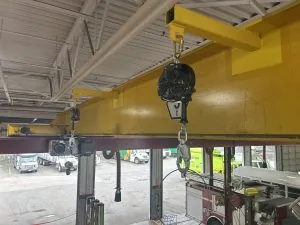
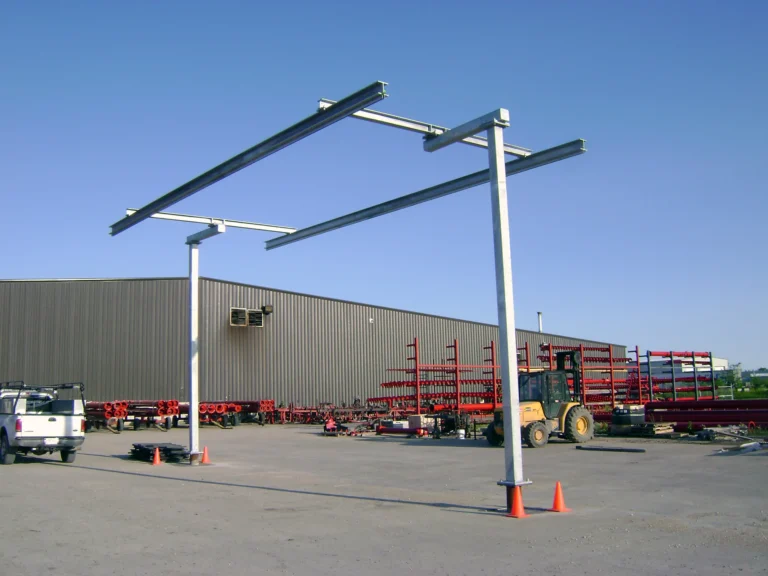
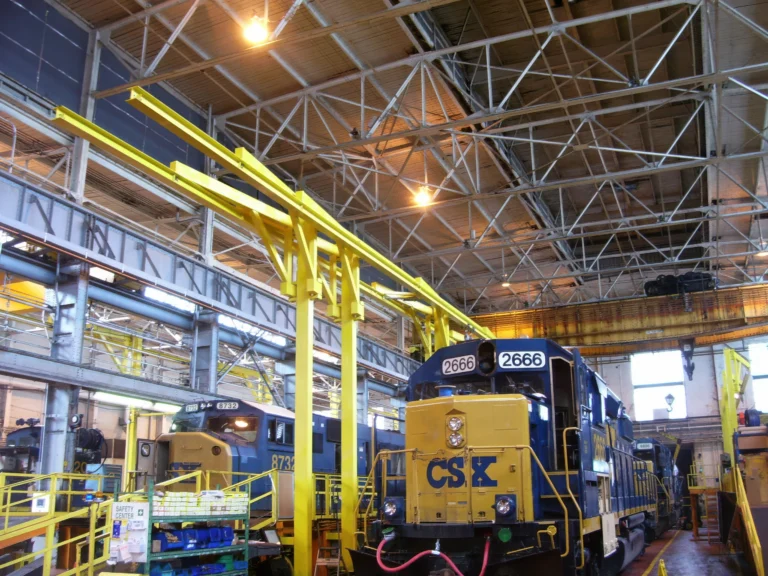
Because the track does not sag or stretch, it arrests a fall over a shorter distance, reducing injury and the chance of damaging the equipment being worked on. It also removes the pendulum effect that can pull other workers on a shared system. A lightweight trolley with sealed bearings follows the worker without hands on the line.
What the brochure covers
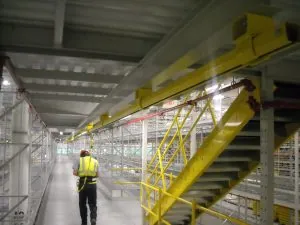
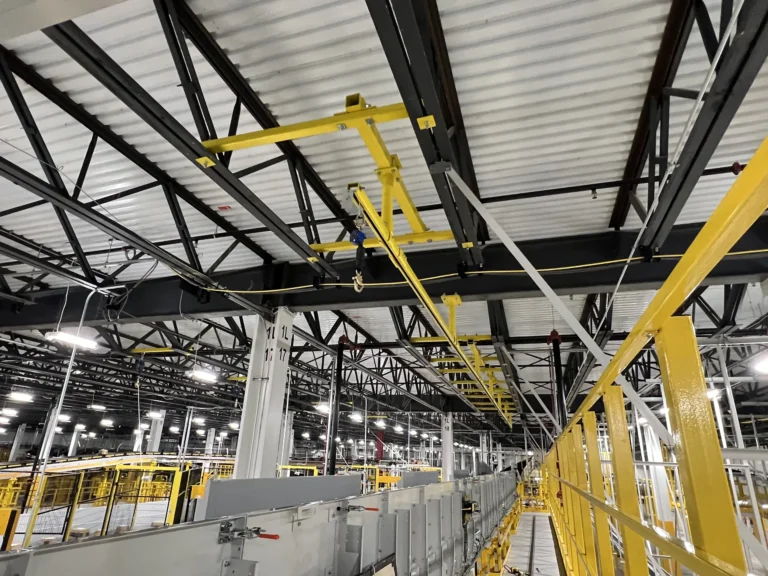
- Roof-mounted, low-profile rails that keep the floor open for production, storage and material handling
- A range of mounting options that suit high and standard roof heights and work around most roof infrastructure without column supports
- Parallel and perpendicular runs for two-way coverage
- Specification from simple on-site measurements and off-the-shelf modular components, so installation causes minimal interruption
Built for a long service life with low upkeep
With standard use and annual maintenance, the system is designed to last up to 25 years. Steel is powder coated or galvanized to EN ISO 1461 and is suitable for outdoor installation. It resists degradation, needs little maintenance and takes minimal training to use correctly. Tritech designs, supplies and installs the system, which is designed and engineered to meet ANSI standards and tested to international standards.
Key specs
| Design life | Up to 25 years with standard use and annual maintenance |
|---|---|
| Finish | Powder coated or galvanized steel |
| Galvanizing standard | EN ISO 1461 |
| Configurations | Parallel and perpendicular runs |
| Column supports required | None (roof-mounted) |
| Pages | 3 |
Standards referenced
- ANSI
- EN ISO 1461
Questions about this brochure
When should I use an overhead rigid rail instead of a lifeline?
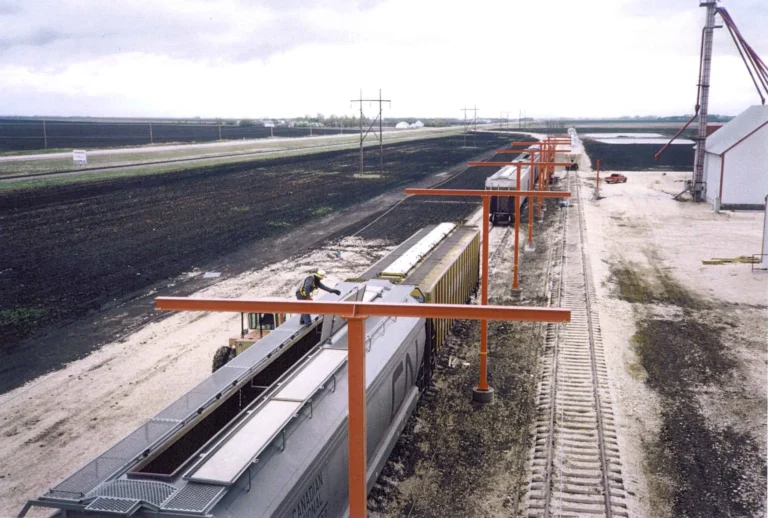
Use a track system whenever the distance available to stop a fall is small. Aircraft wings and fuselages, railcars, trucks and delicate manufacturing equipment often sit only a short distance below the worker. A rigid rail arrests the fall in a shorter distance than a flexible system, which protects both the person and the equipment underneath.
Does an overhead rail system need column supports?
No. The system is roof-mounted, using a range of mounting options to suit different roof designs, and the brochure states it needs no column supports. The low-profile rails work with high and standard roof heights and around most roof infrastructure, which keeps the floor clear for production, storage, vehicle movement and material handling.
How long does an overhead rigid rail system last?
With standard usage and annual maintenance, the system is designed to last up to 25 years. The steel is either powder coated or galvanized to EN ISO 1461, and the system is suitable for outdoor installation. Rigid rail resists degradation and needs less maintenance than many alternatives, which reduces downtime over its service life.
What standards does the overhead rail system meet?
The brochure states the system is designed and engineered to meet ANSI standards, and that its components are designed, tested and certified to global standards in an internationally recognized test facility. Galvanized steel is finished to EN ISO 1461. Refer to the Operation and Maintenance manual supplied with the system for safe use.
Used on
Where this applies
Installed, not just specified
On site with Tritech
1,200+ successful installations in Canada
Downloads
Related downloads
Brochure
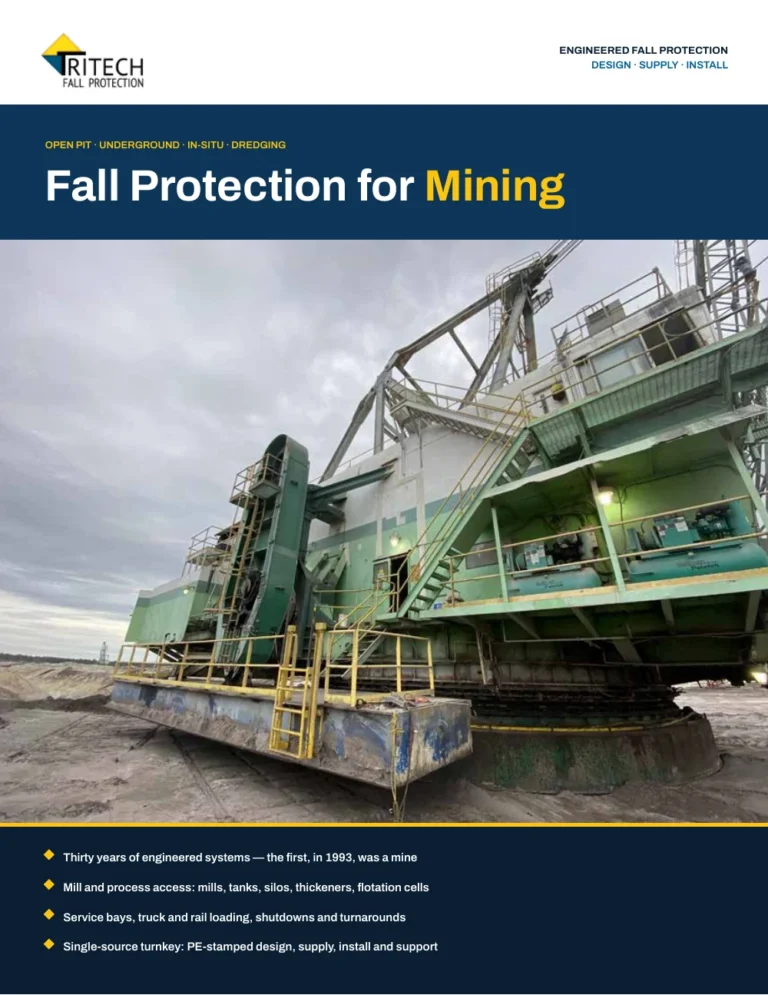
Mining Fall Protection Brochure
Fall protection for open pit, underground, in-situ and dredging sites: where mine exposure concentrates and the engineered systems Tritech installs for it.
Brochure
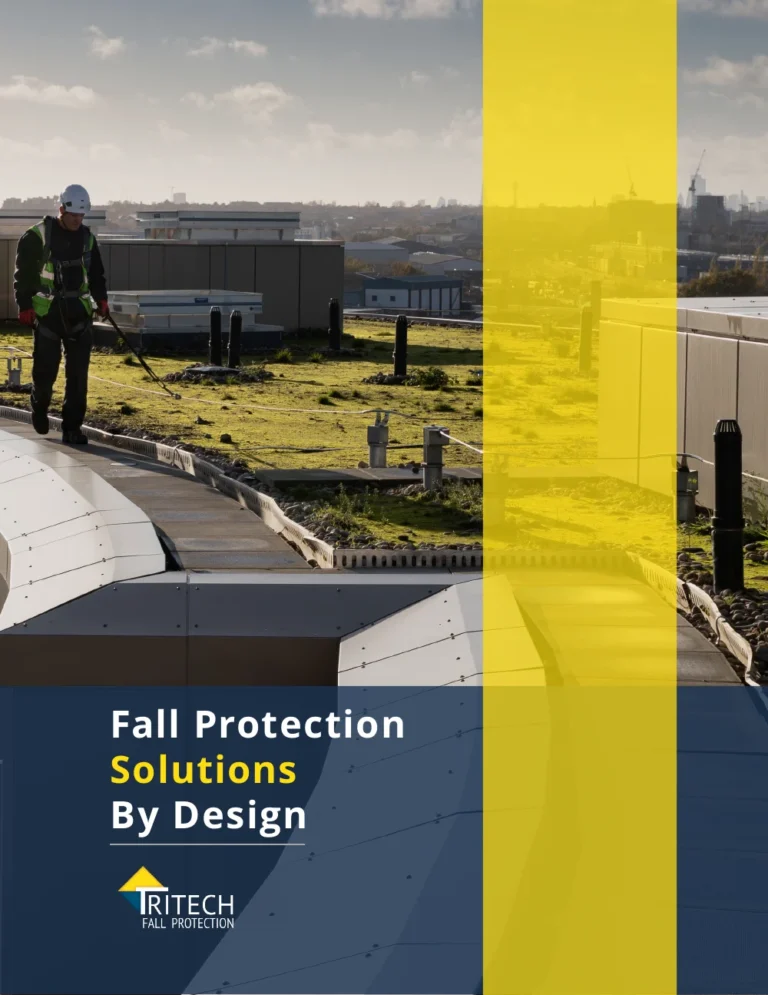
Tritech Fall Protection Company Brochure
Tritech's company brochure: who engineers, supplies, installs and certifies your fall protection, and the 12 industries and applications we cover.
Have a site in mind?
Tell us about the hazard. We’ll tell you what we’d install, how long it takes and what it costs.