SOLUTIONS
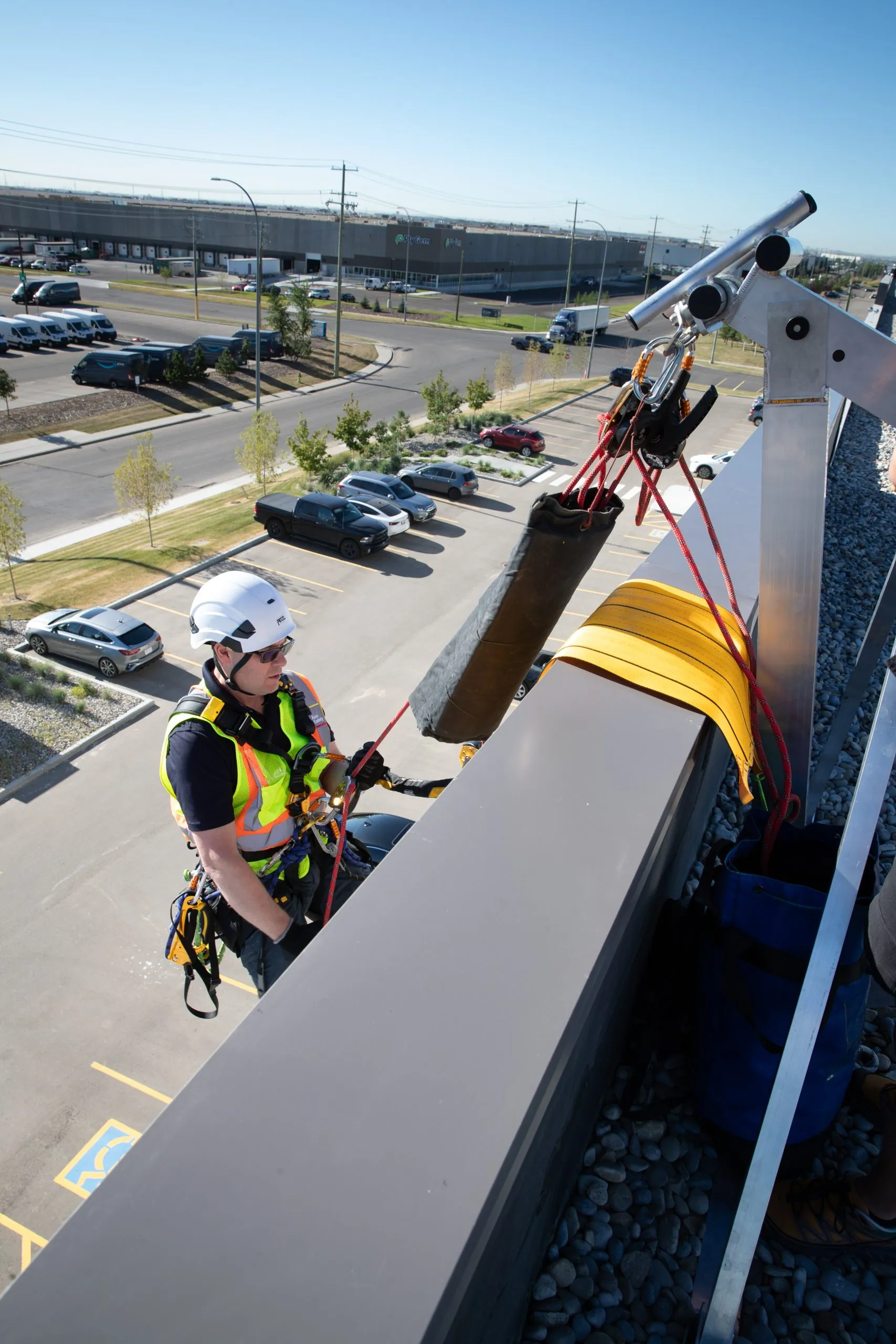
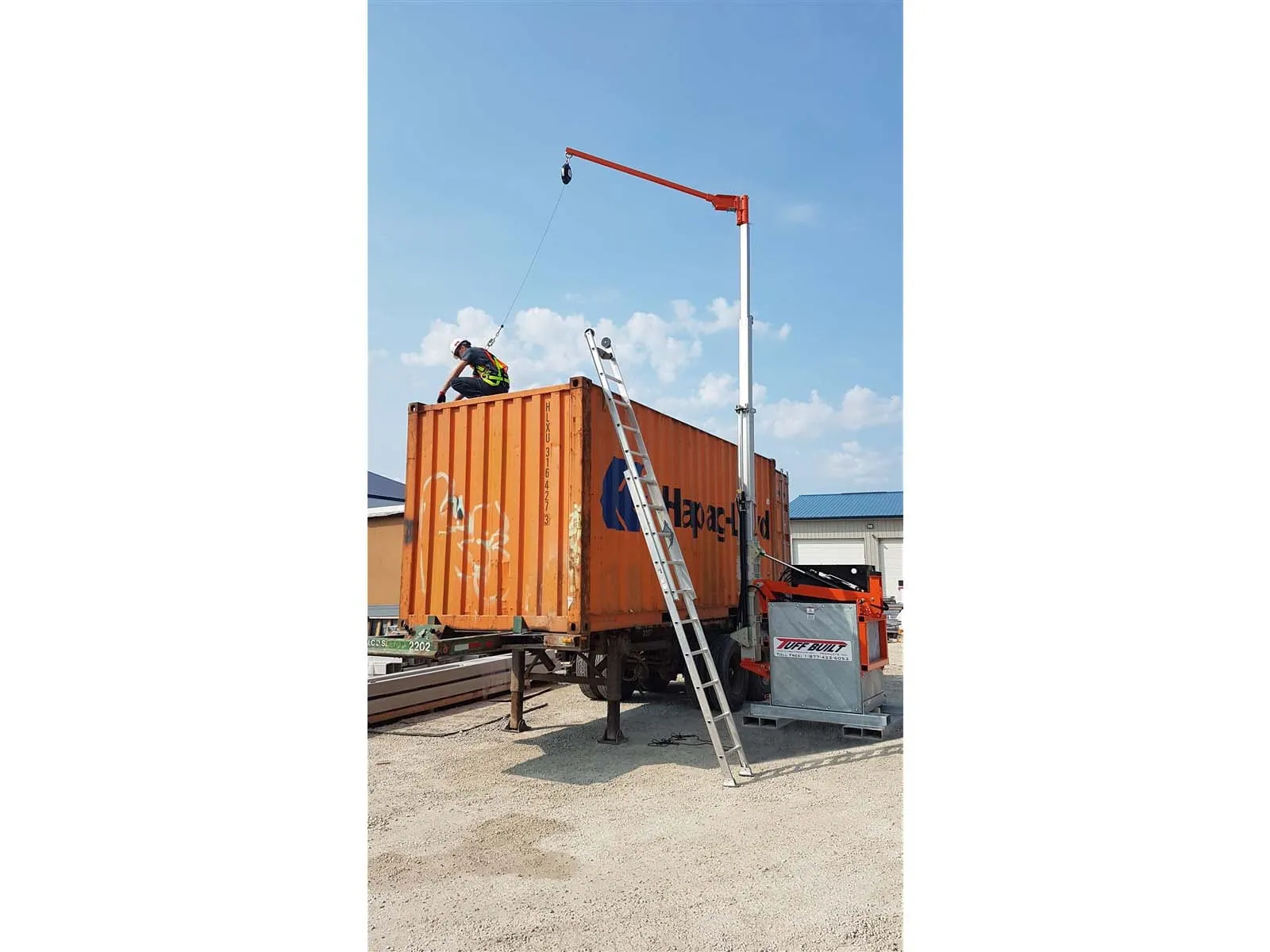
Mobile Rope Access Anchor System
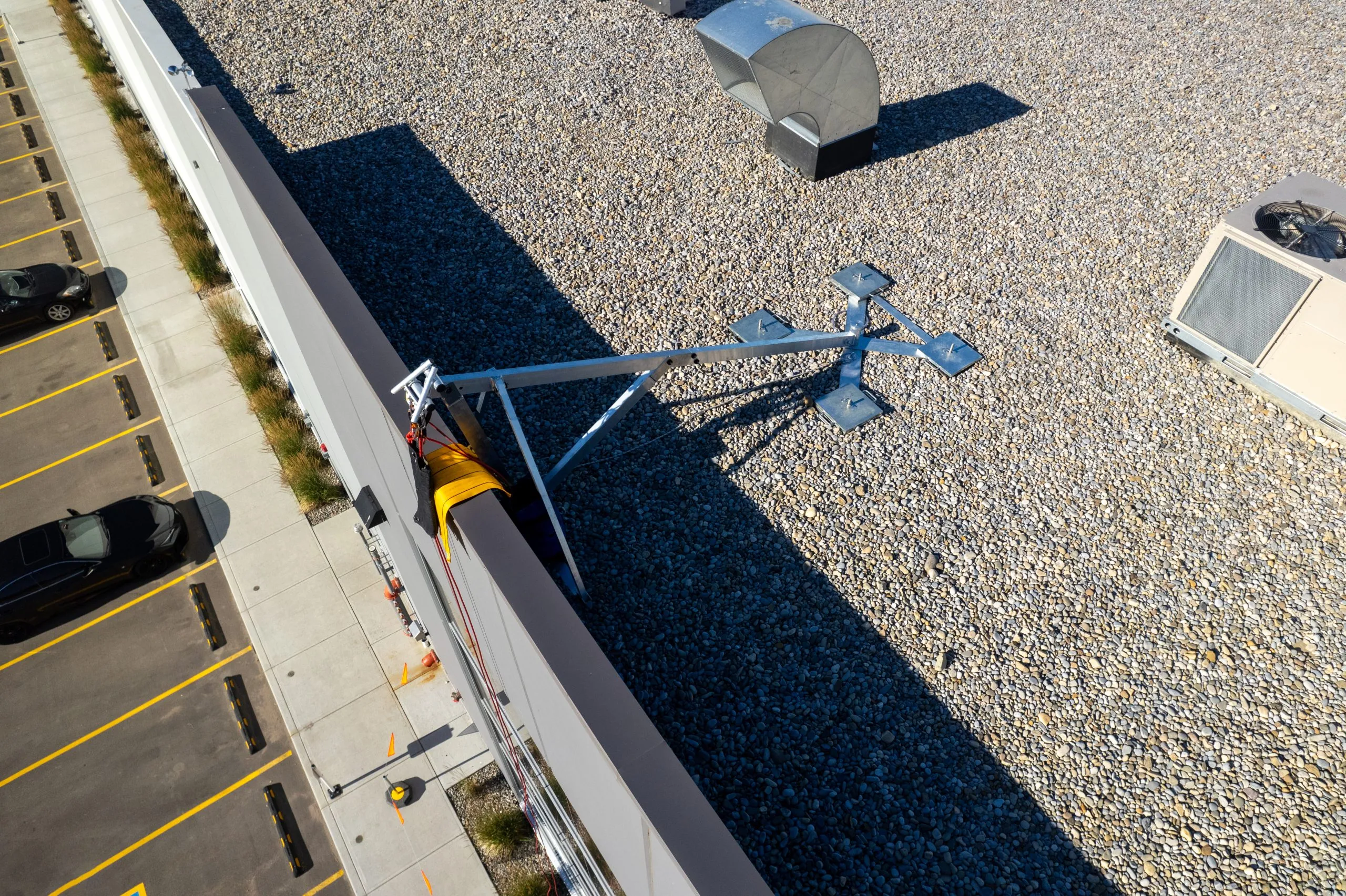
A Non-Penetrating Tie-Back Anchor for Safe and Flexible Facade Work
Built for Over-the-Edge Safety
Designed for rope access work like facade inspections, building repairs, or cleaning providing secure anchorage at the rooftop level.
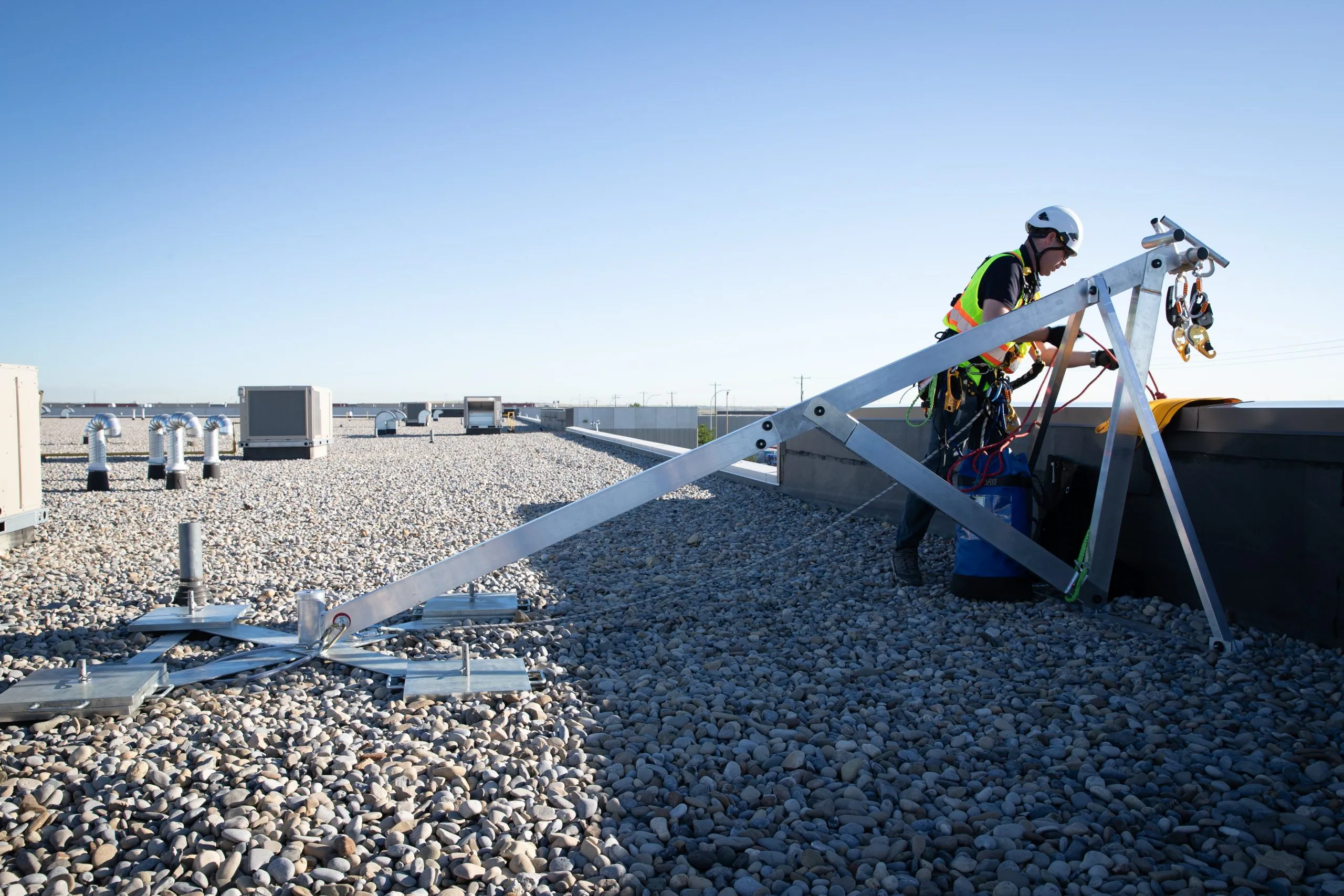
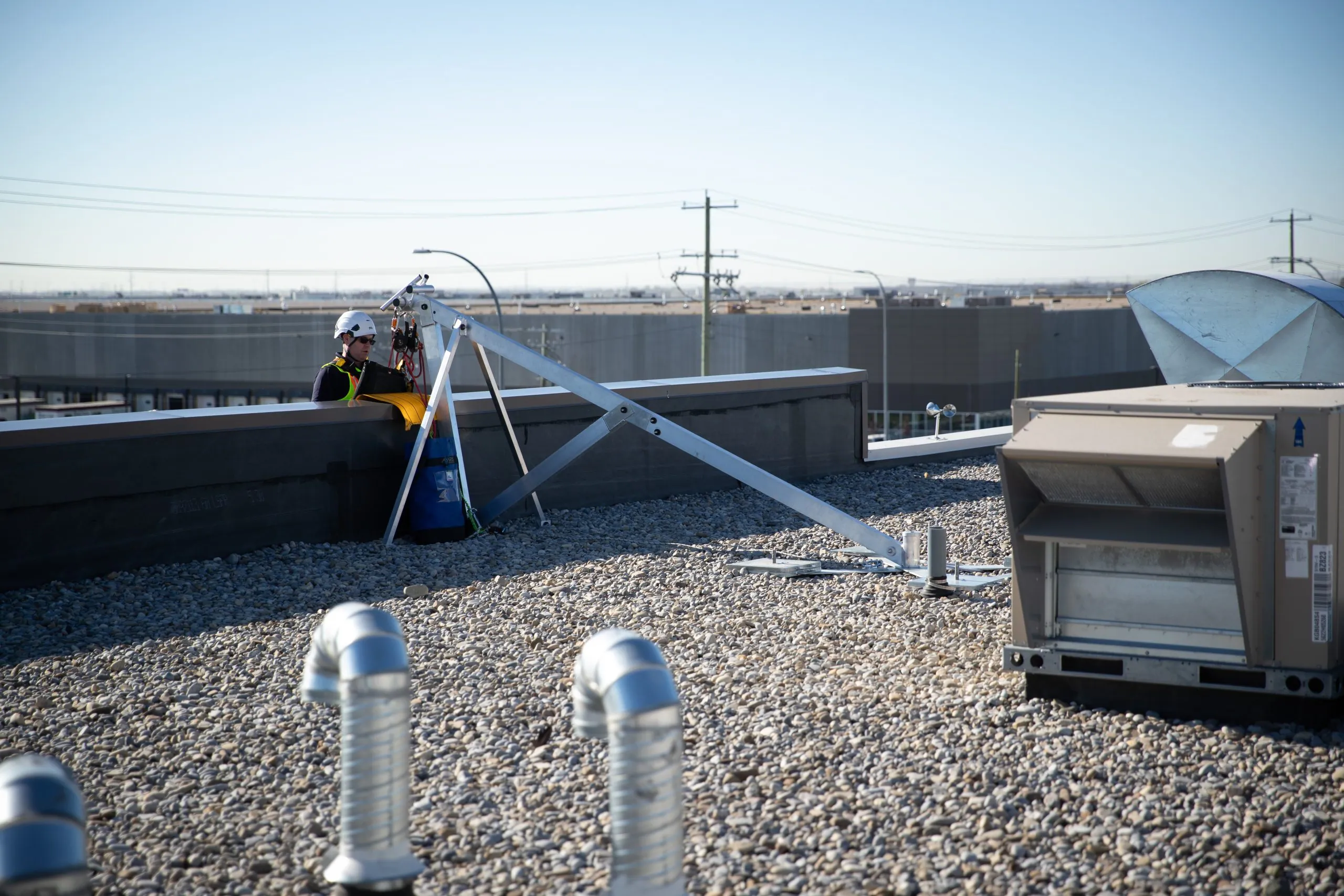
Roof-Friendly and Freestanding
The system uses a weighted base that sits on the roof without drilling or damaging the surface ideal for sensitive or finished rooftops.
Tested and Compliant
Meets strict safety standards for rope access and fall protection, helping you stay compliant while keeping your team protected.
PROBLEMS WE SOLVE
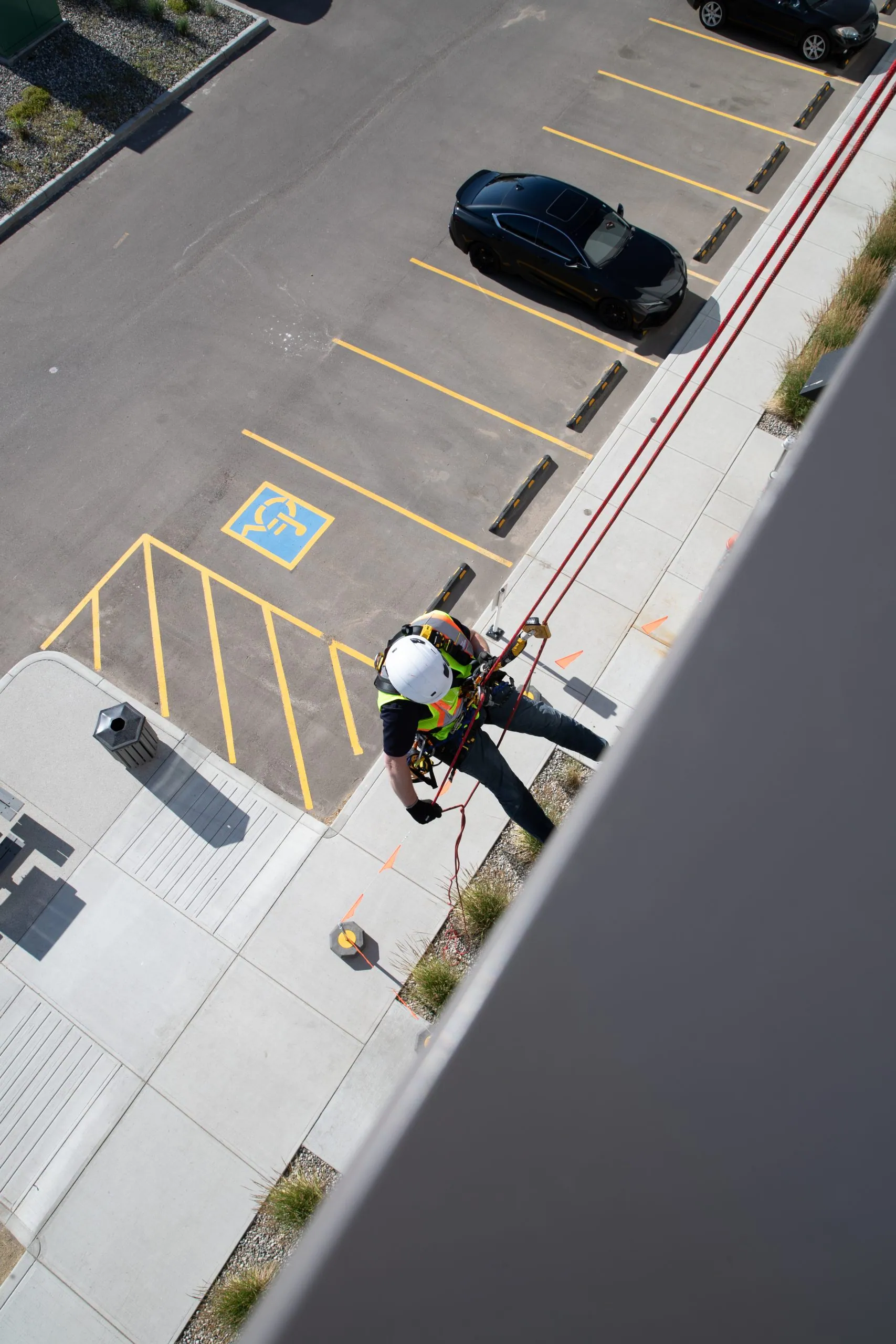
Flexible Anchoring for Short-Term Rope Access
When a building doesn’t have built-in tie-back points, portable rooftop anchors offer a safe alternative. Perfect for one-off jobs or temporary projects, this system helps teams work confidently and safely without the need for permanent installations.Areas of Application for Rooftop Tie-Back Anchors
- Rooftop Access & Maintenance
- Industrial Equipment Access
- Building Access
- Infrastructure Development
- Government & Military
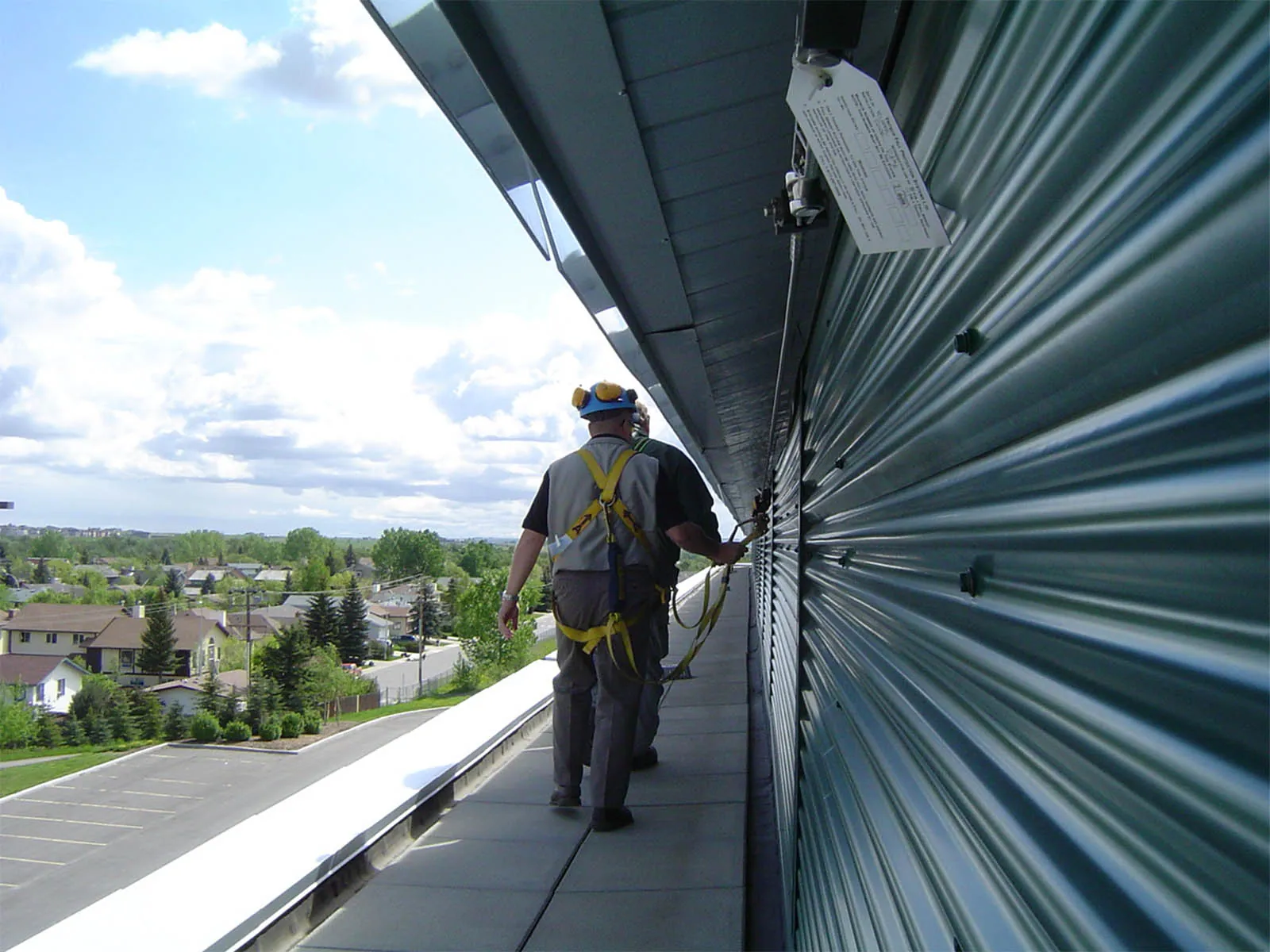
Rooftop Access & Maintenance

Industrial Equipment Access
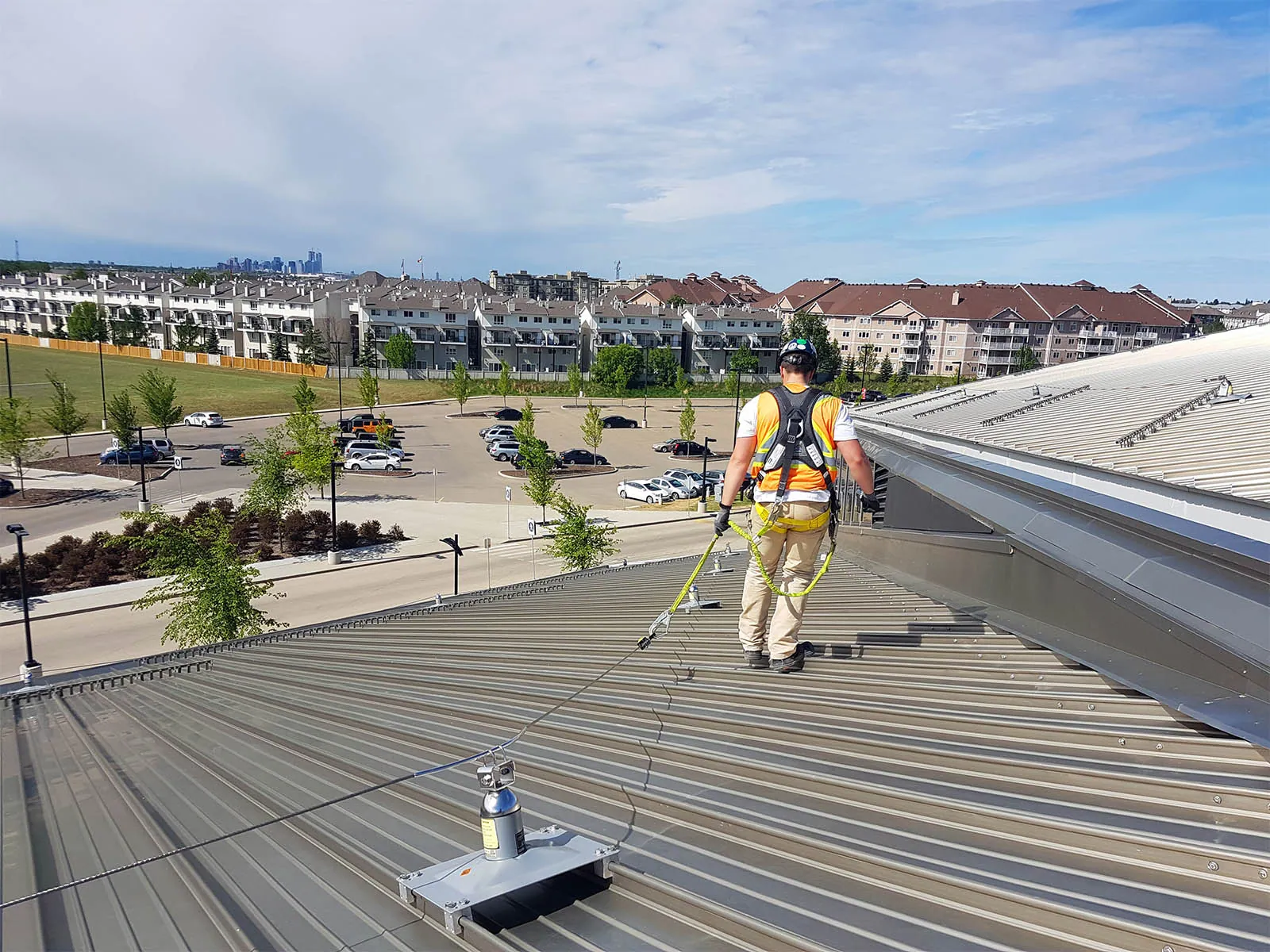
Building Access
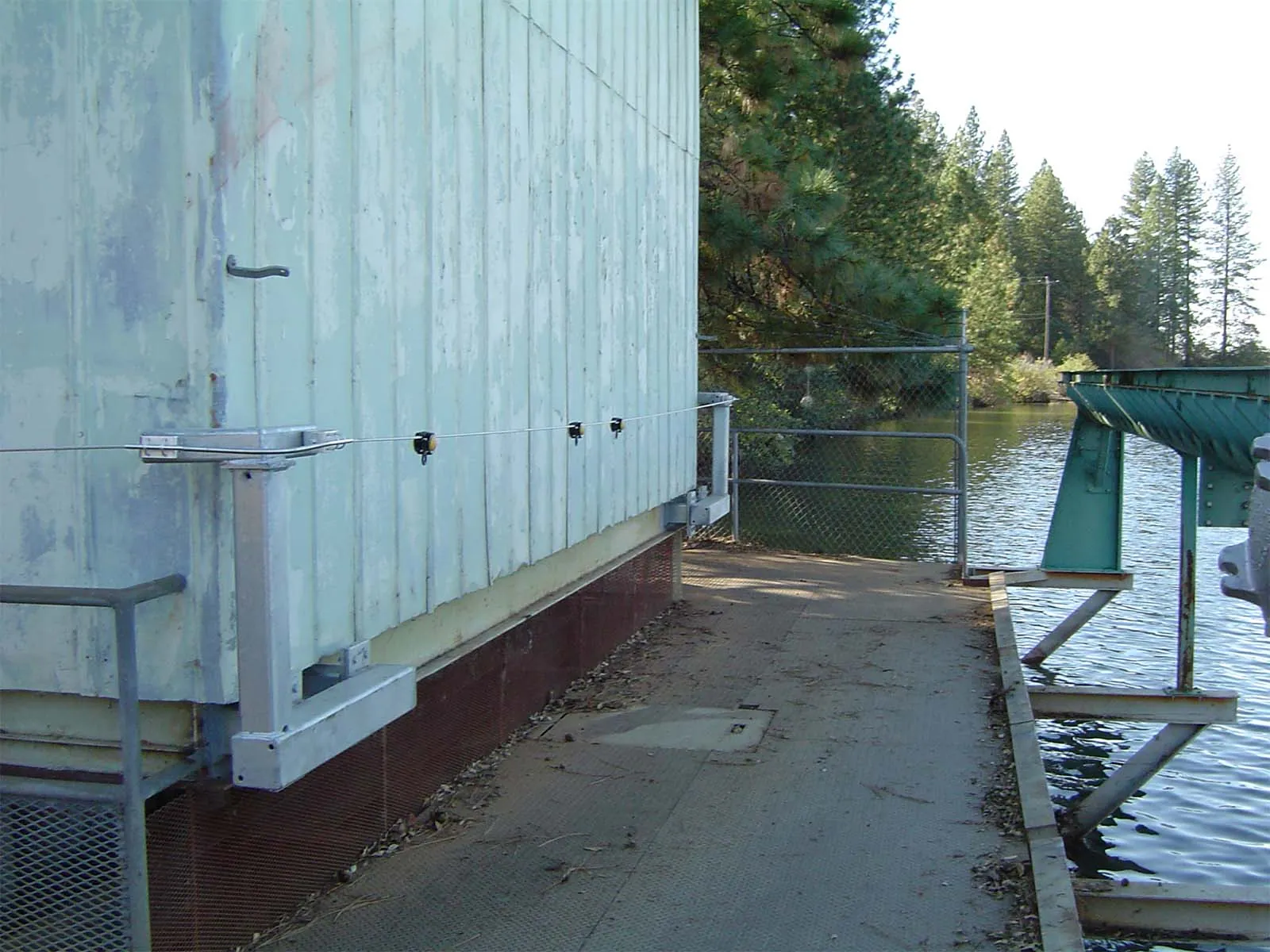
Infrastructure Development
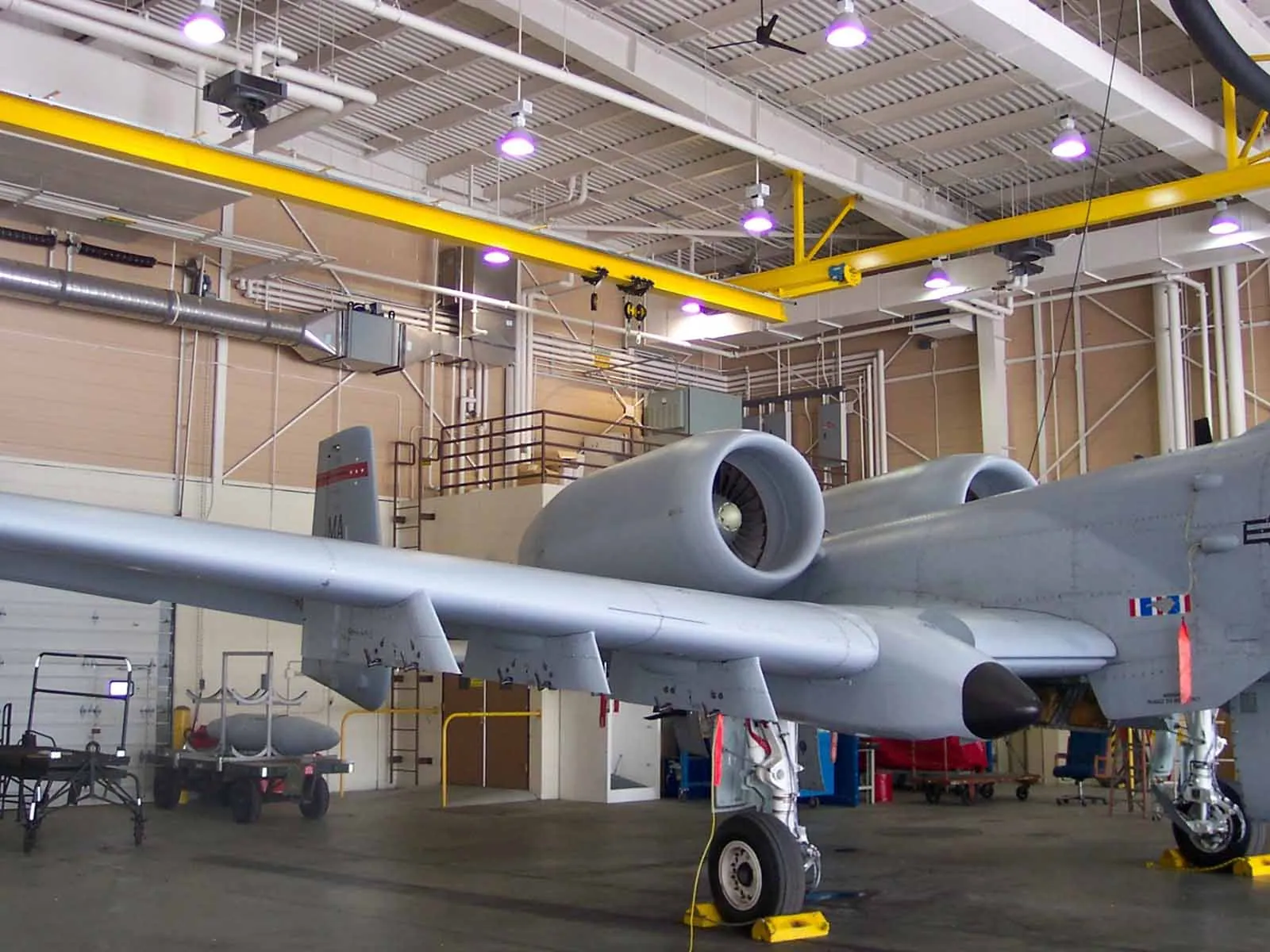
Government & Military
Where this system is used
Industries and applications that run on Non-Penetrating Rope Access
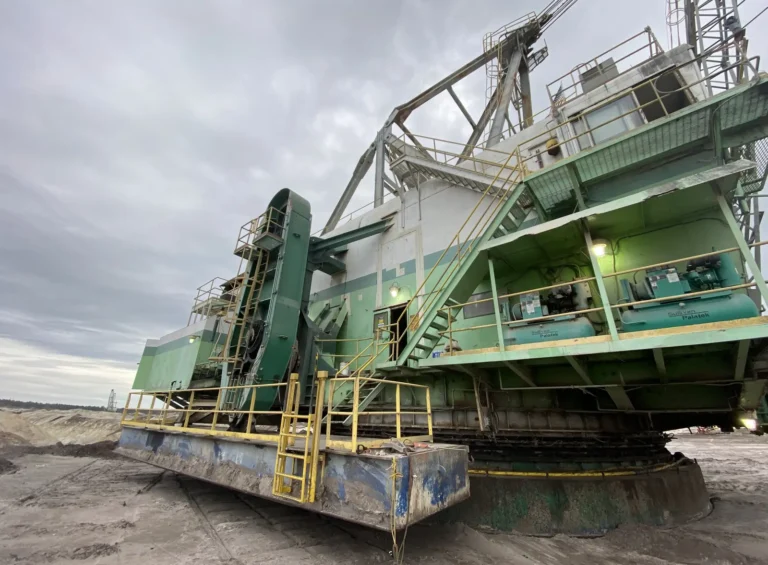
Mining
Engineered fall protection for open pit, underground, in-situ and dredging operations and their processing facilities. PE-stamped, installed and certified by one team since 1993.
Read more →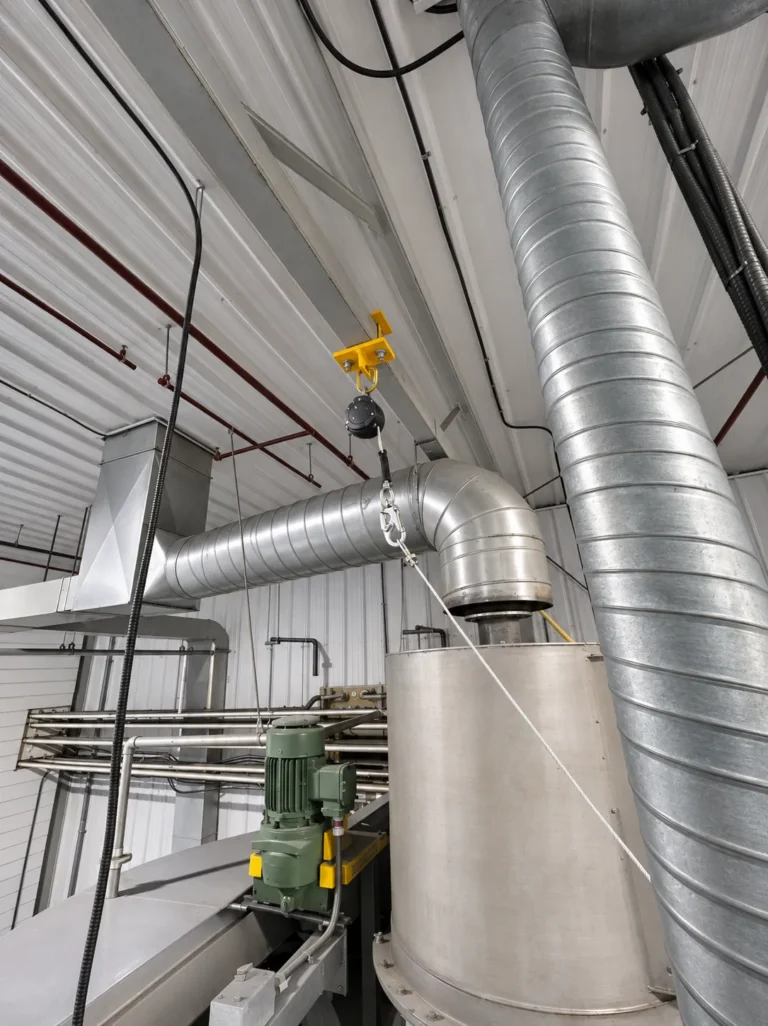
Food & Beverage
Tanker loading, process lines, tank tops, mezzanines and refrigeration roofs in food and beverage plants.
Read more →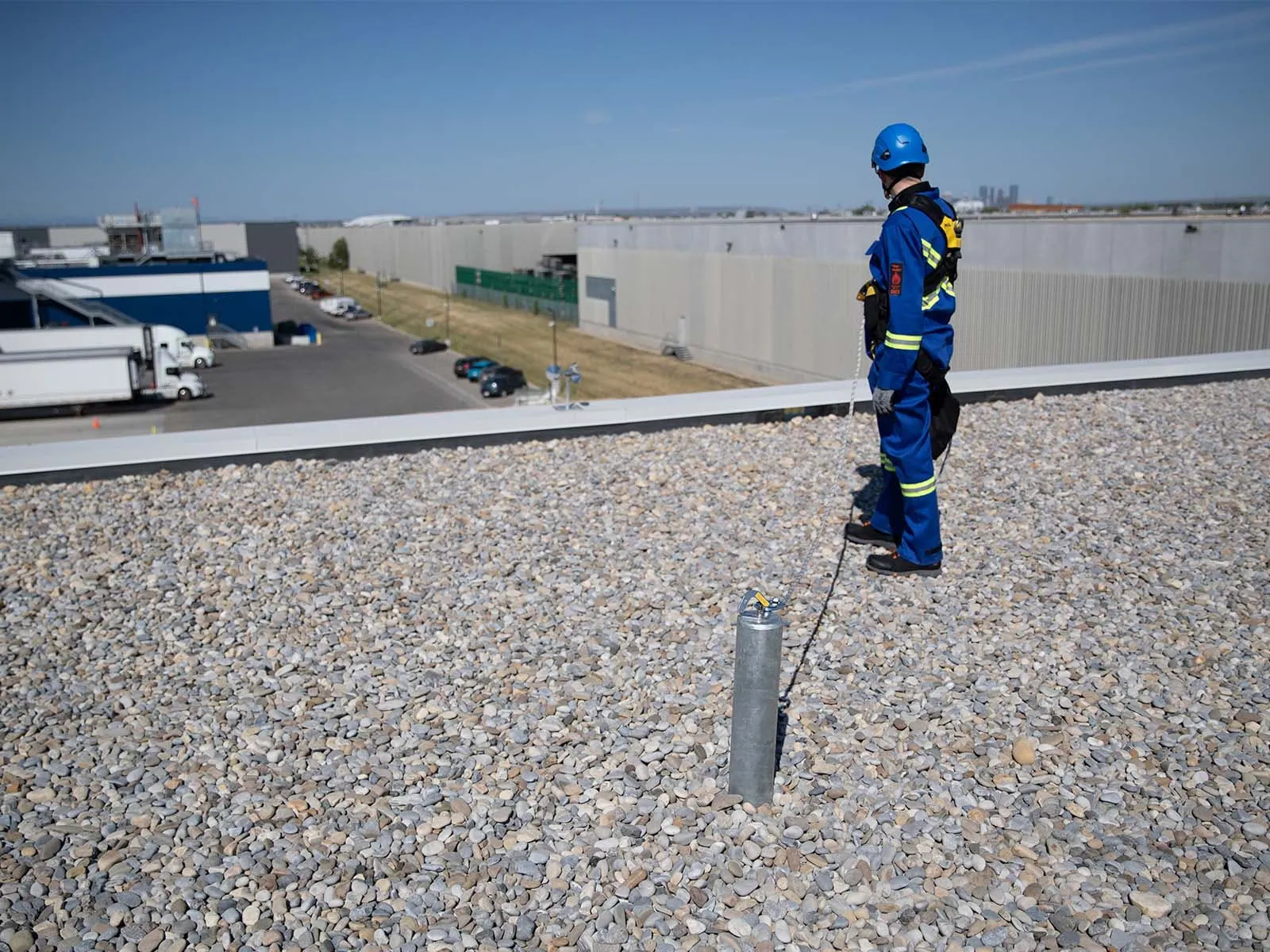

Answers to
Key Questions
What is a rooftop tie-back anchor used for?
It creates a secure point to connect rope access equipment or fall protection gear for workers performing tasks near roof edges or over the side of a building.
Does this system damage the roof?
No. It uses a freestanding weighted base, so there’s no need to drill into the surface.
Is this system reusable?
Yes. It’s portable and can be used on multiple job sites, making it ideal for changing work environments.
Is the non-penetrating rope access anchor system compliant with Canadian regulations?
Yes. Our portable rope access anchors meet CSA Z91 and CSA Z259.15 standards, and conform to both federal and provincial safety regulations in Canada.
Speak to a Fall Protection Specialist
Stay Safe on Every Edge
Talk to our team about rooftop tie-back anchor solutions that offer safety, flexibility, and peace of mind.