



SOLUTIONS
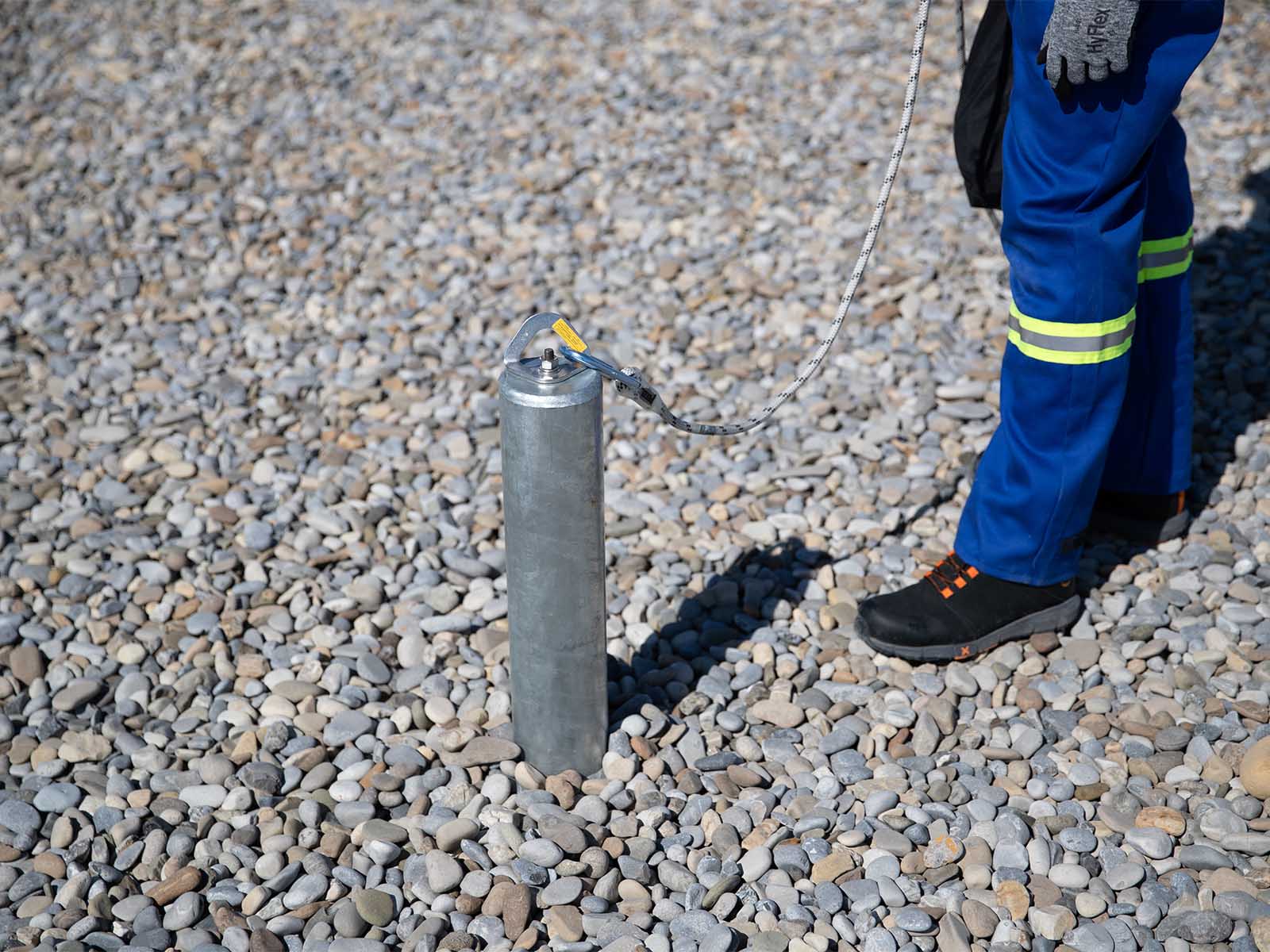
Fixed Anchor System
A Long-Lasting, Compliant Anchor for Regular Work at Height
Engineered for Ongoing Safety
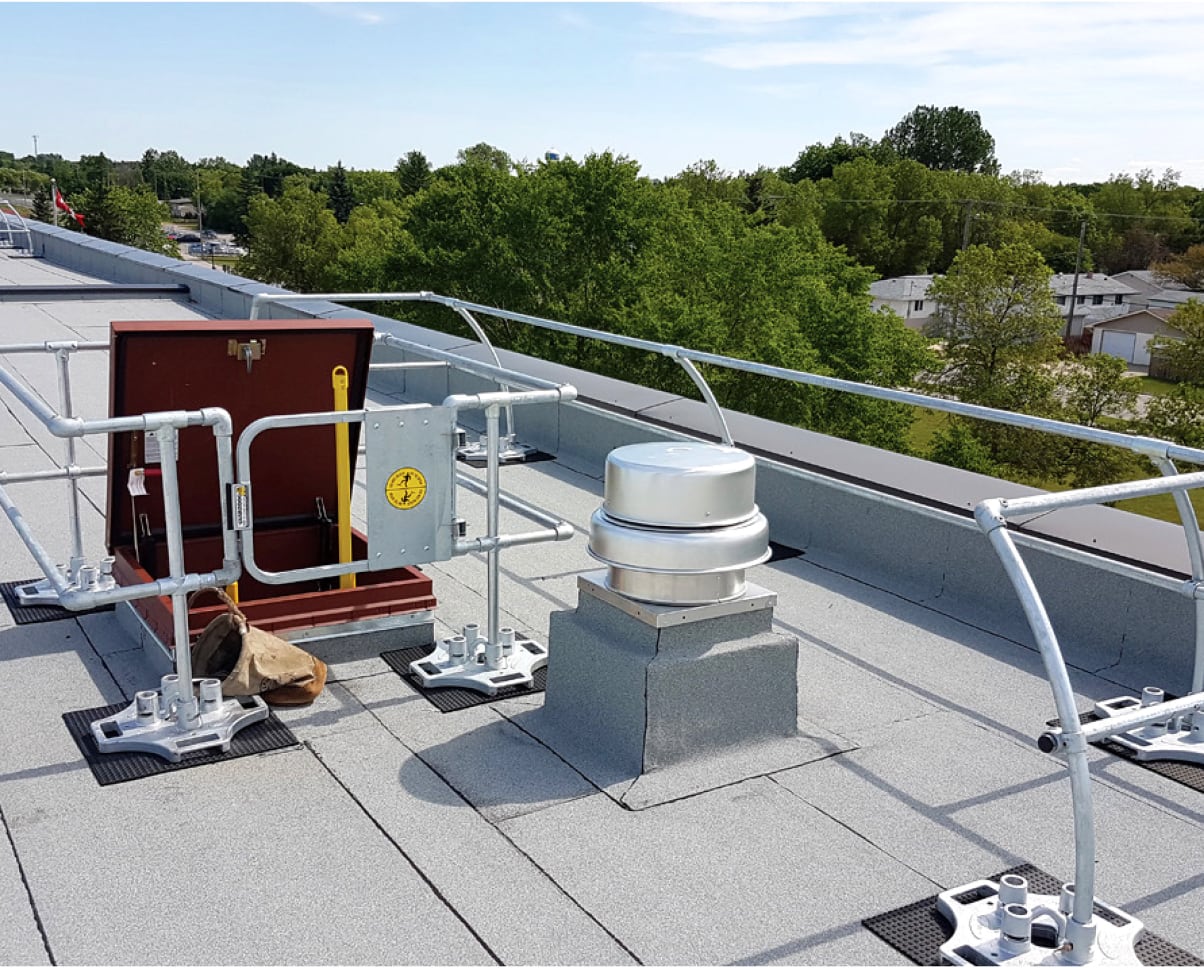
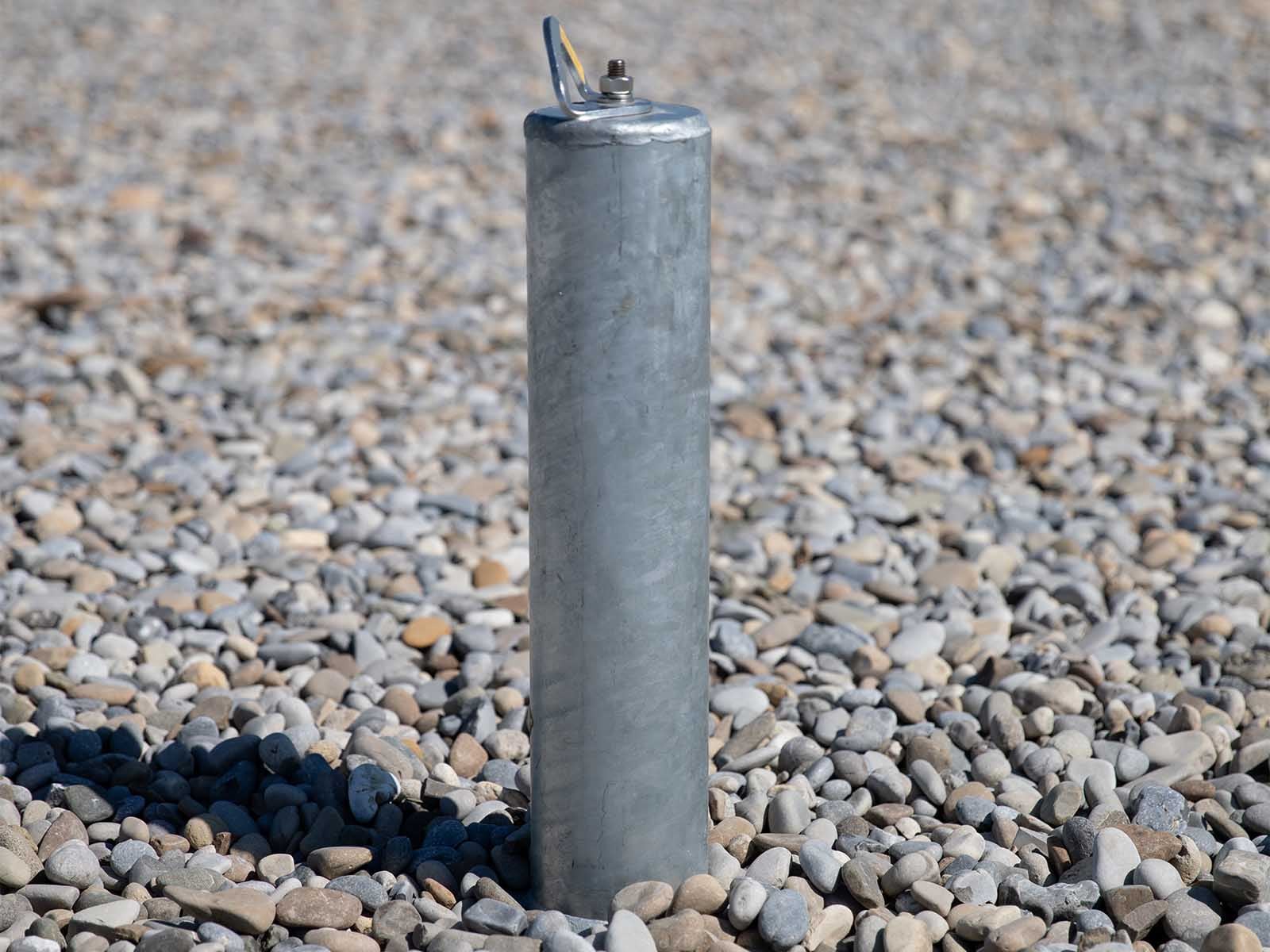
Fixed anchors are built to stay in place and provide consistent fall protection for routine rooftop or elevated access.
Installed on Structural Surfaces
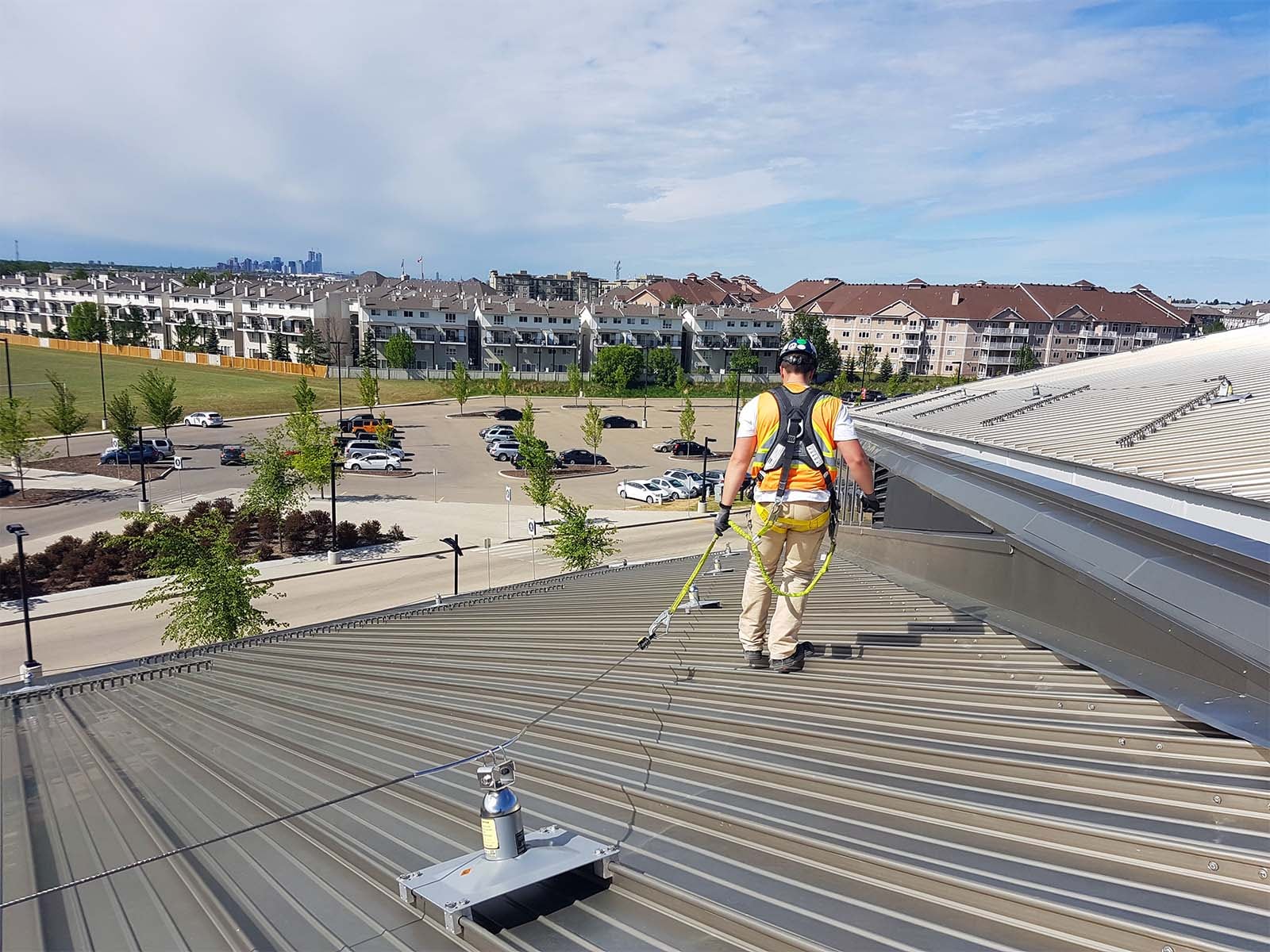
Can be mounted on concrete, steel, or other structural elements ideal for both flat and sloped roofs.


PROBLEMS WE SOLVE
Safe, Secure Access for Routine Elevated Work
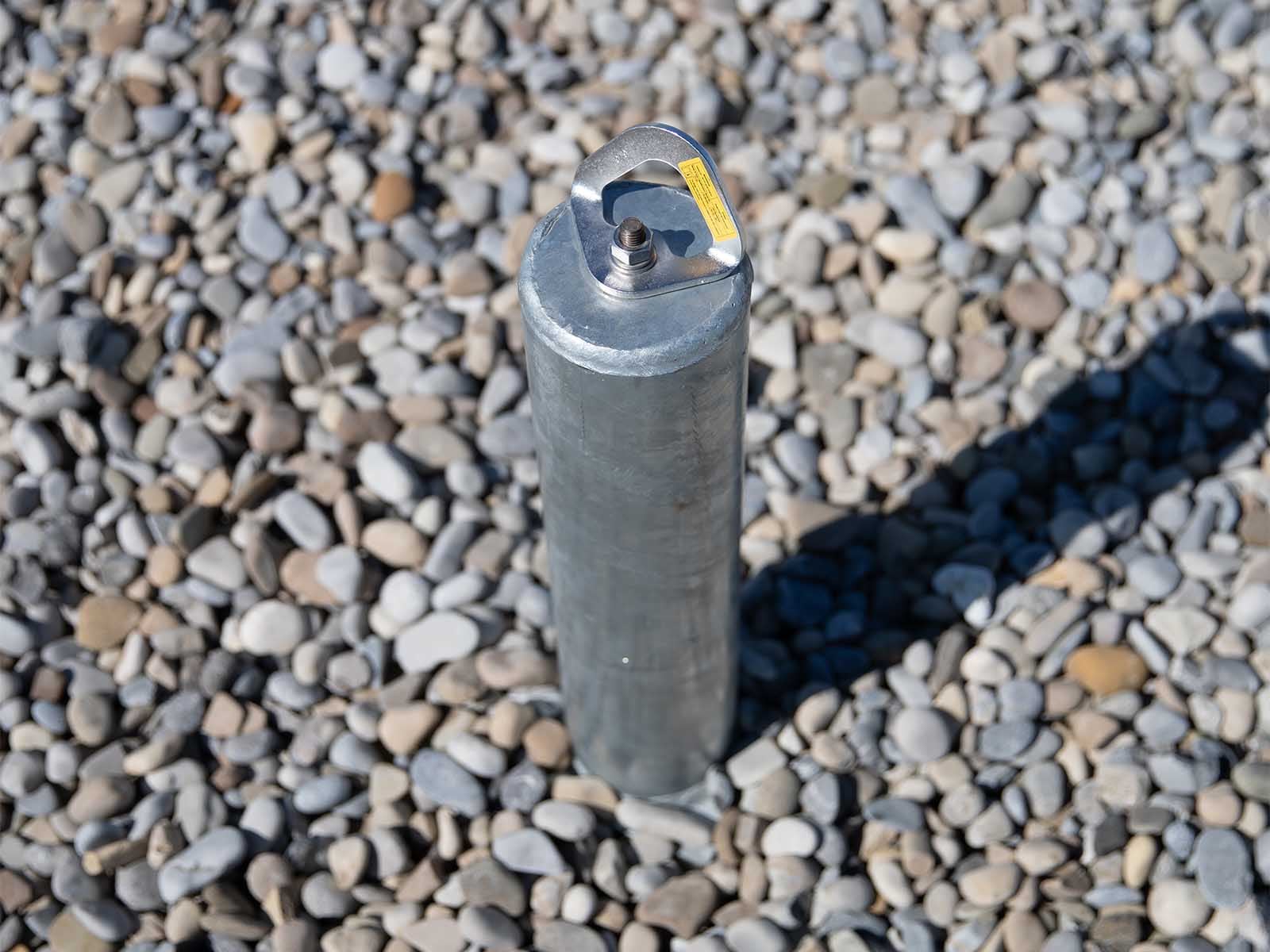
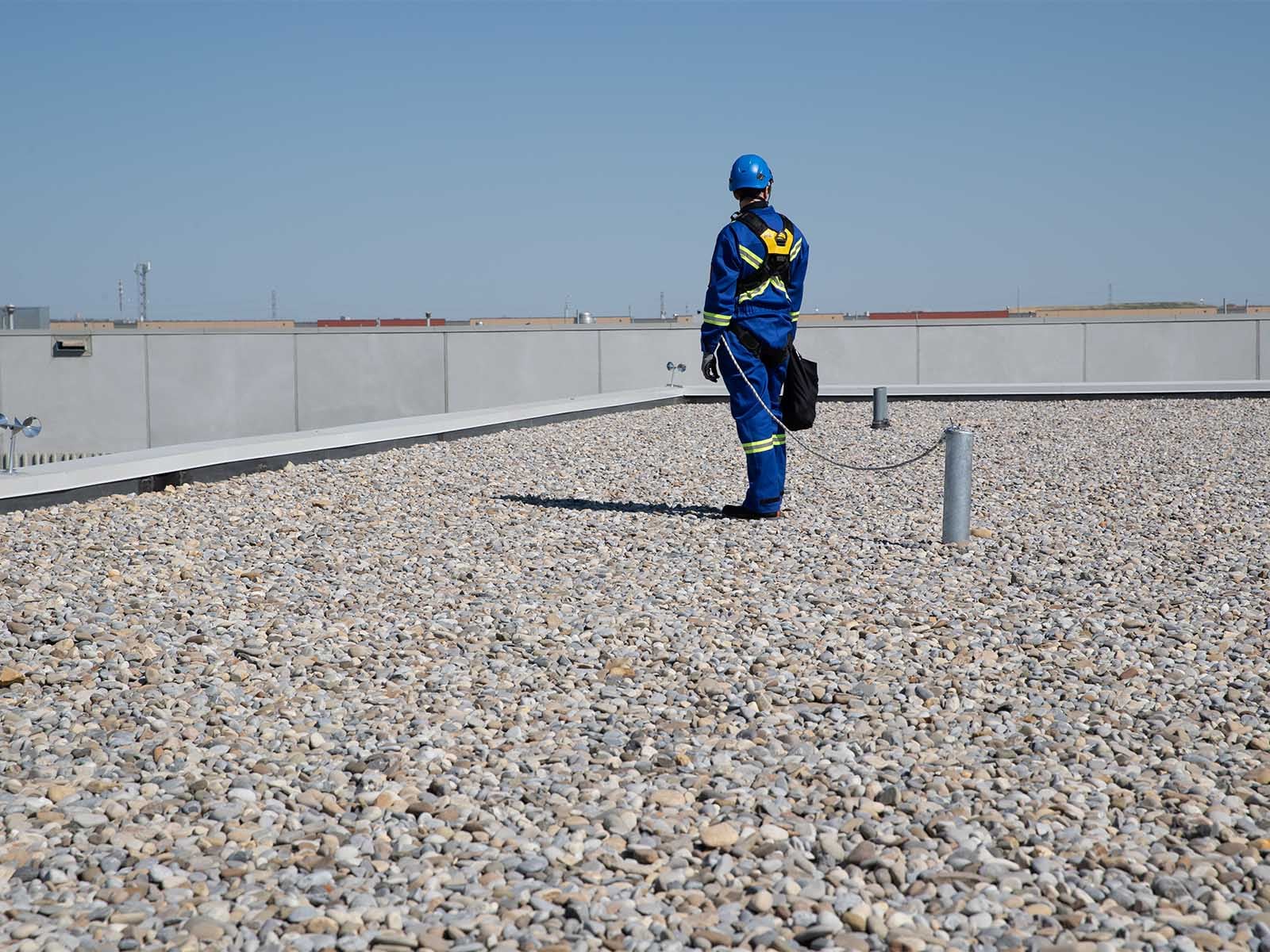
For buildings or sites that require frequent rooftop maintenance or inspections, fixed anchor systems provide reliable fall protection that’s always ready to use. Once installed, they become a key part of a long-term safety plan no need for setup each time work begins.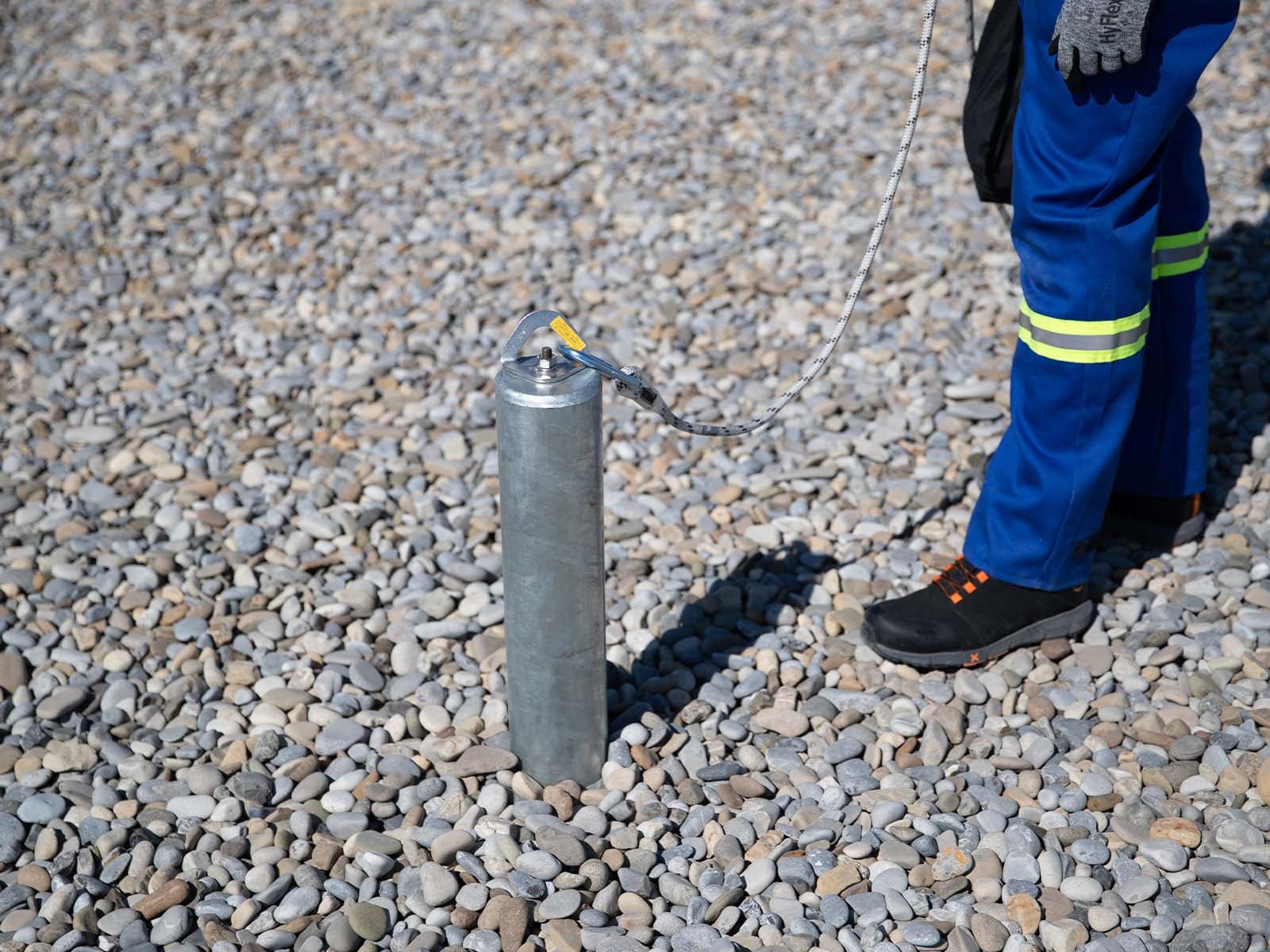
Areas of Application for Fixed Anchor System
- Building Access & Maintenance
- Manufacturing & Industrial Facilities
- Energy & Utilities
- Infrastructure Development
- Government & Military

Building Access & Maintenance

Manufacturing & Industrial Facilities

Energy & Utilities
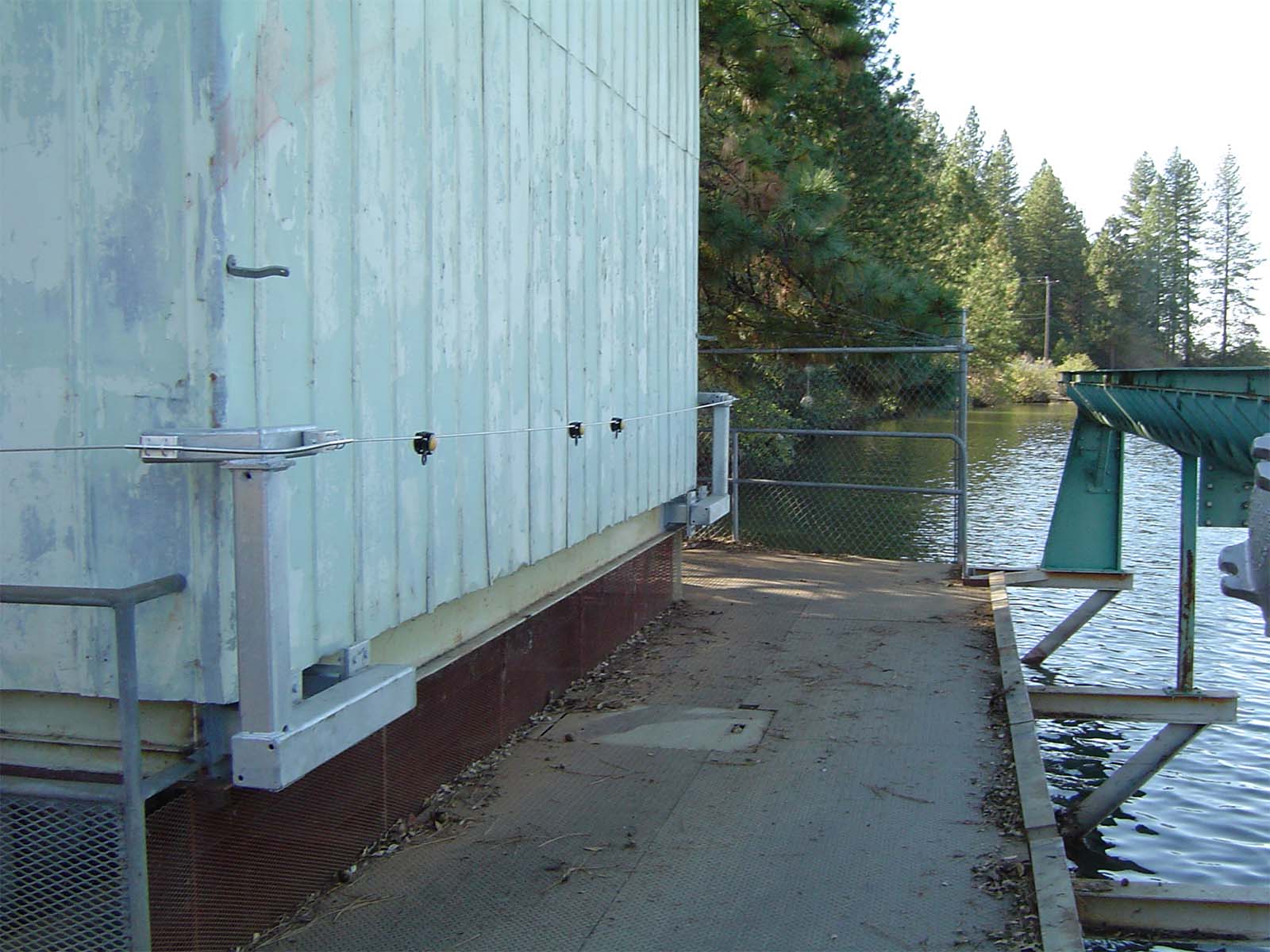
Infrastructure Development

Government & Military


Answers to
Key Questions
-
What is a davit arm?
A davit arm is a curved or angled overhead support that holds an anchorage point out and above a work area, most often at a building edge for facade access, window cleaning, or confined-space rescue. It positions the tie-off point above the worker so suspension and overhead arrest work correctly, and it can pivot or be removed from a fixed base socket between jobs. Tritech engineers the davit, its base, and the anchorage as one load path into the structure.
-
What does PE stamped drawing mean?
A PE-stamped drawing, in Canada an engineered drawing sealed by a professional engineer (P.Eng.), is a design signed and stamped by a licensed engineer who certifies it for the specific structure and loads and takes professional responsibility for it. For a fixed anchor, the engineer’s seal is the document that proves the anchor was designed to carry the loads a fall generates and meets the applicable provincial and CSA requirements. It is the record a facility hands a safety officer to defend the installation.
-
At what height is fall protection required?
In Canada, the height at which fall protection becomes mandatory is set provincially and varies by jurisdiction. Many provinces require fall protection at 3 metres (about 10 feet), while others set a lower threshold or trigger protection by the nature of the hazard rather than height alone. A fixed anchor supports compliance wherever a worker is exposed to a fall and a passive guard is not feasible. Confirm the exact trigger with the OH&S regulation for your province.
CONTACT
Build Long-Term Safety into Your Facility
Talk to us about installing fixed anchor points that provide dependable fall protection year after year.
Request a Free Estimate
"*" indicates required fields