Brochure
Mining Fall Protection Brochure
Fall protection for open pit, underground, in-situ and dredging sites: where mine exposure concentrates and the engineered systems Tritech installs for it.
What’s inside
- Why Tritech's first system, in 1993, was a railcar loading lifeline at a potash mine
- Four mine types and the three areas where exposure concentrates on all of them
- Mill and process access: ball mills, tanks, silos, thickeners and flotation cells
- Service bays, storage sheds, and truck and rail loading
- Mobile units, in-situ well fields and underground shops and portals
- A six-step process from site assessment to PE-stamped design and O&M support
- The system families: HLL, overhead rigid rail, davits, anchors, guardrail, platforms
The exposure is the same whatever the geology
Whatever the mining method, someone eventually has to get onto, into or alongside equipment. This eight-page brochure is for mine safety, maintenance and engineering managers. Most routine work at height happens at the mill, not the pit, and three areas carry the most risk on almost every site: service bays, truck and rail loading, and anything accessed during a shutdown.
Protection has to be engineered before the shutdown, not during it
The brochure walks through nine application areas, each with the systems Tritech typically uses:
- Roof access and sample points on stacks, ducts and air handlers
- Mills, tanks, silos, thickeners and flotation cells
- Dryers, compactors and conveyors at drive ends and transfer points
- Storage sheds and bagging halls
- Haul truck and loader service bays
- Truck and rail loading, still the application Tritech is asked for most
- Mobile units for work that moves or happens once a year
- In-situ pipe racks and well injection sites
- Underground shops, service bays and portals
Mining is where Tritech started
Tritech’s first project, in 1993, was an engineered horizontal lifeline for railcar loading at a potash mine in Saskatchewan, and the company still works at that site. Delivery runs through one in-house team in six steps: assess, design, engineer, supply, install and support. Drawings are PE-stamped in the state or province of installation, and each system ships with an Operation and Maintenance manual and a certification package. The assessment looks first for ways to eliminate the hazard outright, before any system is proposed.
Key specs
| First mine system | 1993, railcar loading horizontal lifeline |
|---|---|
| Mine types covered | Open pit, underground conventional, in-situ, dredging |
| Application areas | 9 |
| Delivery steps | 6 |
| Pages | 8 |
Standards referenced
- CSA
Questions about this brochure
Where do falls from height happen most on a mine site?
According to the brochure, the same three areas recur across open pit, underground, in-situ and dredging operations: service bays for haul trucks and loaders, truck and rail loading and unloading, and anything accessed during a shutdown or turnaround. Most routine work at height happens at the above-ground mill or processing plant rather than in the pit itself.
What fall protection systems does Tritech install at mines?
Tritech designs, supplies, installs and certifies engineered horizontal lifelines, overhead rigid rail for service bays and loading, railcar and truck loading access, permanent and portable guardrail, davit arms for tank and vessel entry, certified anchors, access platforms, stairs and walkways, and mobile or temporary units. Systems are combined to suit the structure, the task and how often it is accessed.
How does Tritech handle shutdowns and turnarounds?
Shutdowns bring the largest crews, the tightest schedules and work on equipment people rarely touch. Tritech’s position is that protection for mills, tanks, conveyors and similar equipment should be engineered before the shutdown starts. Where an exposure only occurs once a year or keeps moving, a mobile anchor or mast unit can put certified protection where the job is.
What does a Tritech mine site assessment involve?
Tritech walks the site with you, whether pit, plant, shop or well field, identifies each place people work at height and ranks the exposures. The assessment looks first at whether a hazard can be eliminated outright, even when that means no system is sold. Only then does Tritech propose engineered systems, with PE-stamped drawings for the state or province of installation.
Used on
Where this applies
MiningConveyors & Process EquipmentTruck & Rail LoadingUndergroundVehicle Service Bay
Installed, not just specified
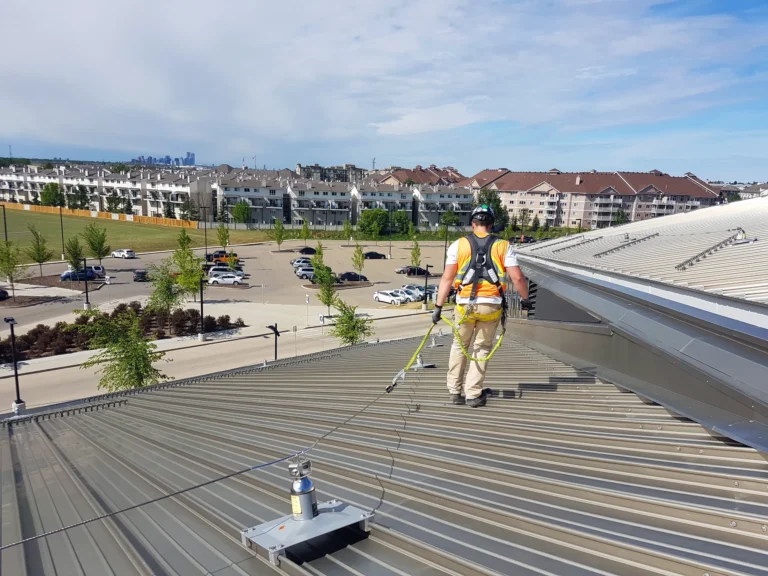
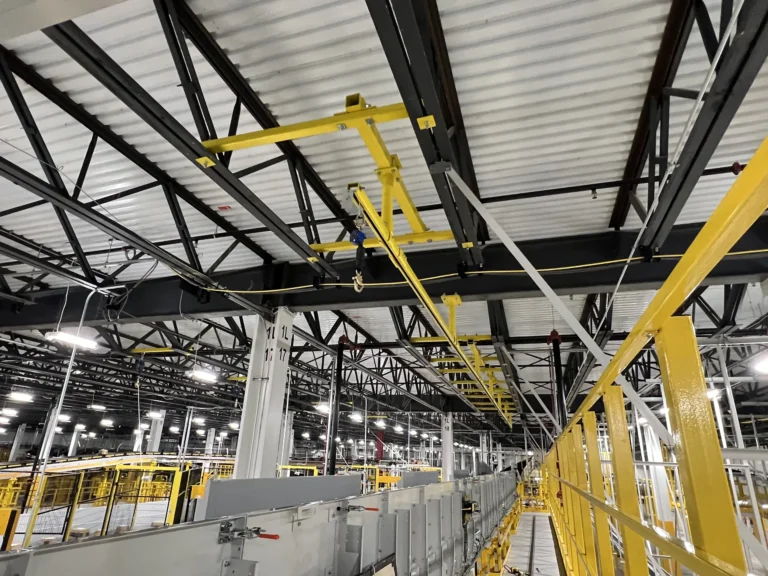
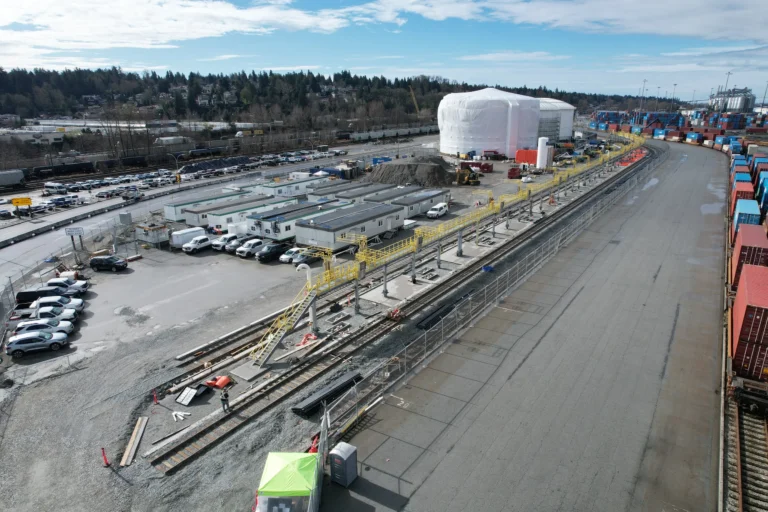
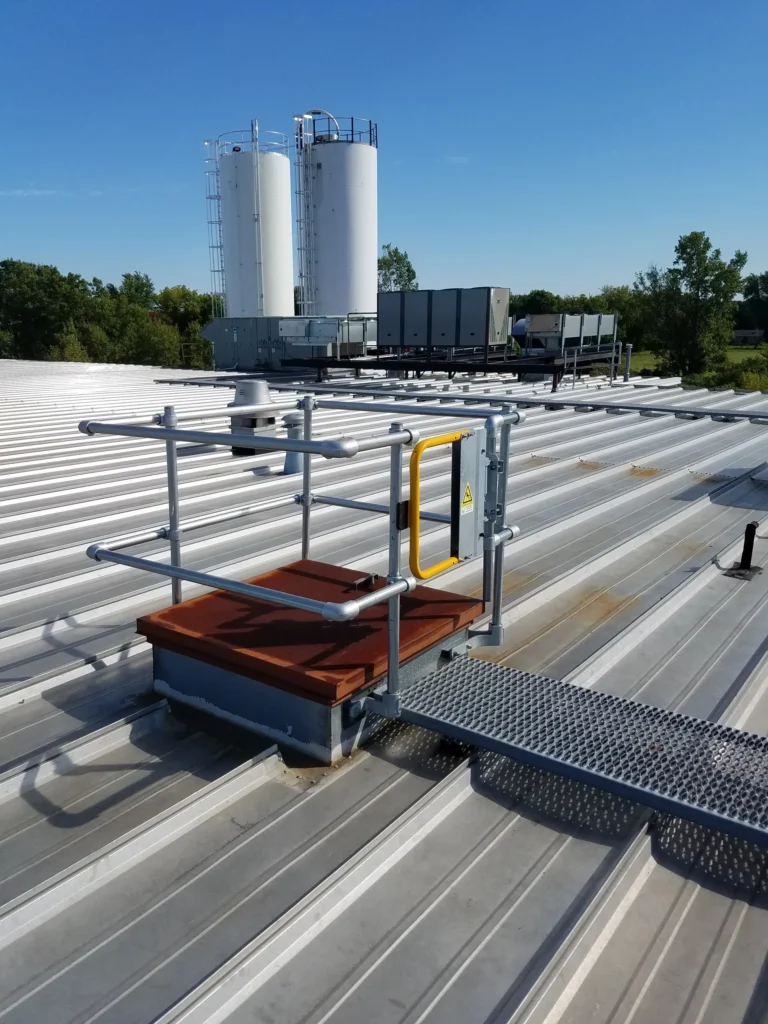
On site with Tritech
1,200+ successful installations in Canada
Downloads
Related downloads
Brochure
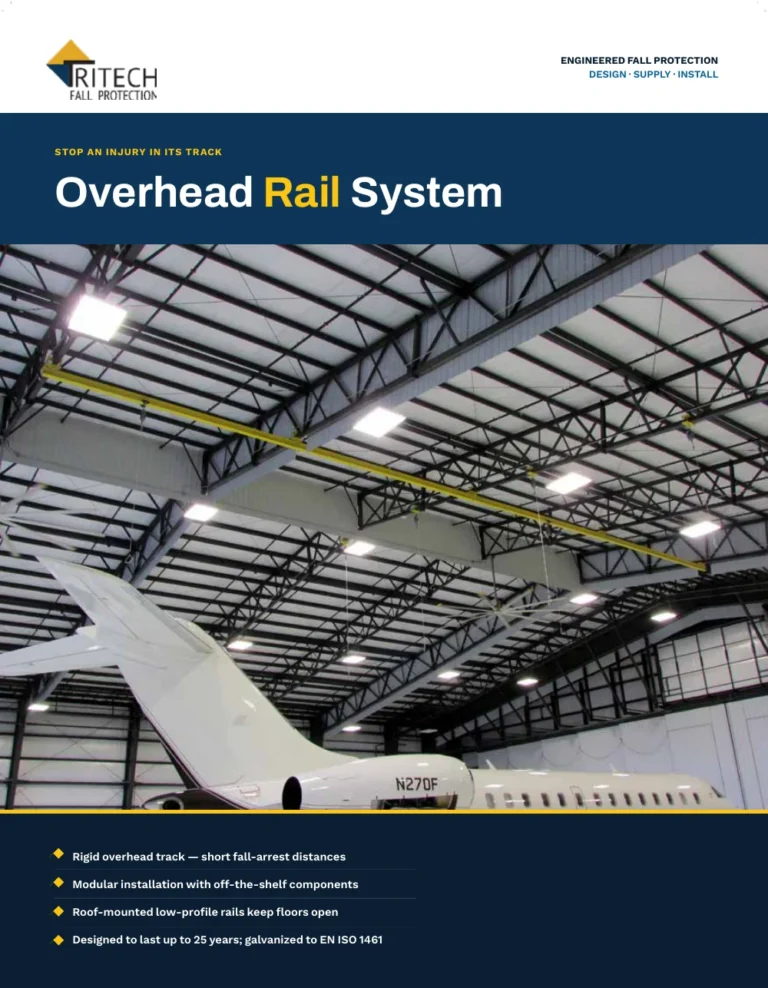
Overhead Rigid Rail System Brochure
Overhead rigid rail fall arrest for hangars, rail and truck loading and plants: short fall distances, open floors and a design life of up to 25 years.
Brochure
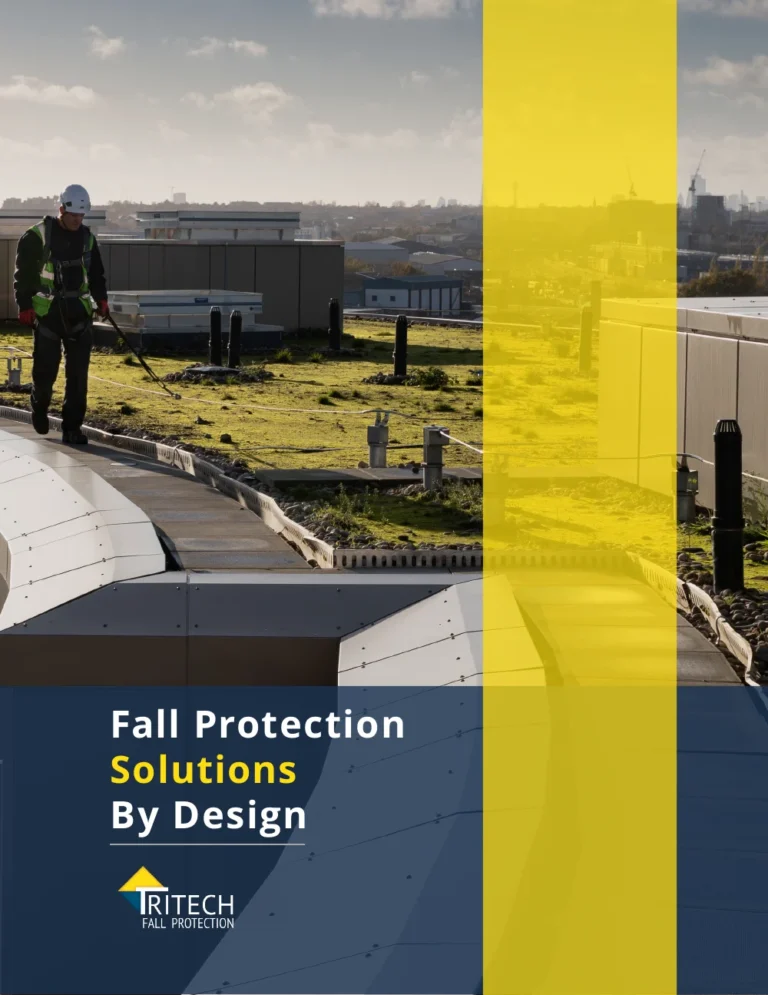
Tritech Fall Protection Company Brochure
Tritech's company brochure: who engineers, supplies, installs and certifies your fall protection, and the 12 industries and applications we cover.
Have a site in mind?
Tell us about the hazard. We’ll tell you what we’d install, how long it takes and what it costs.