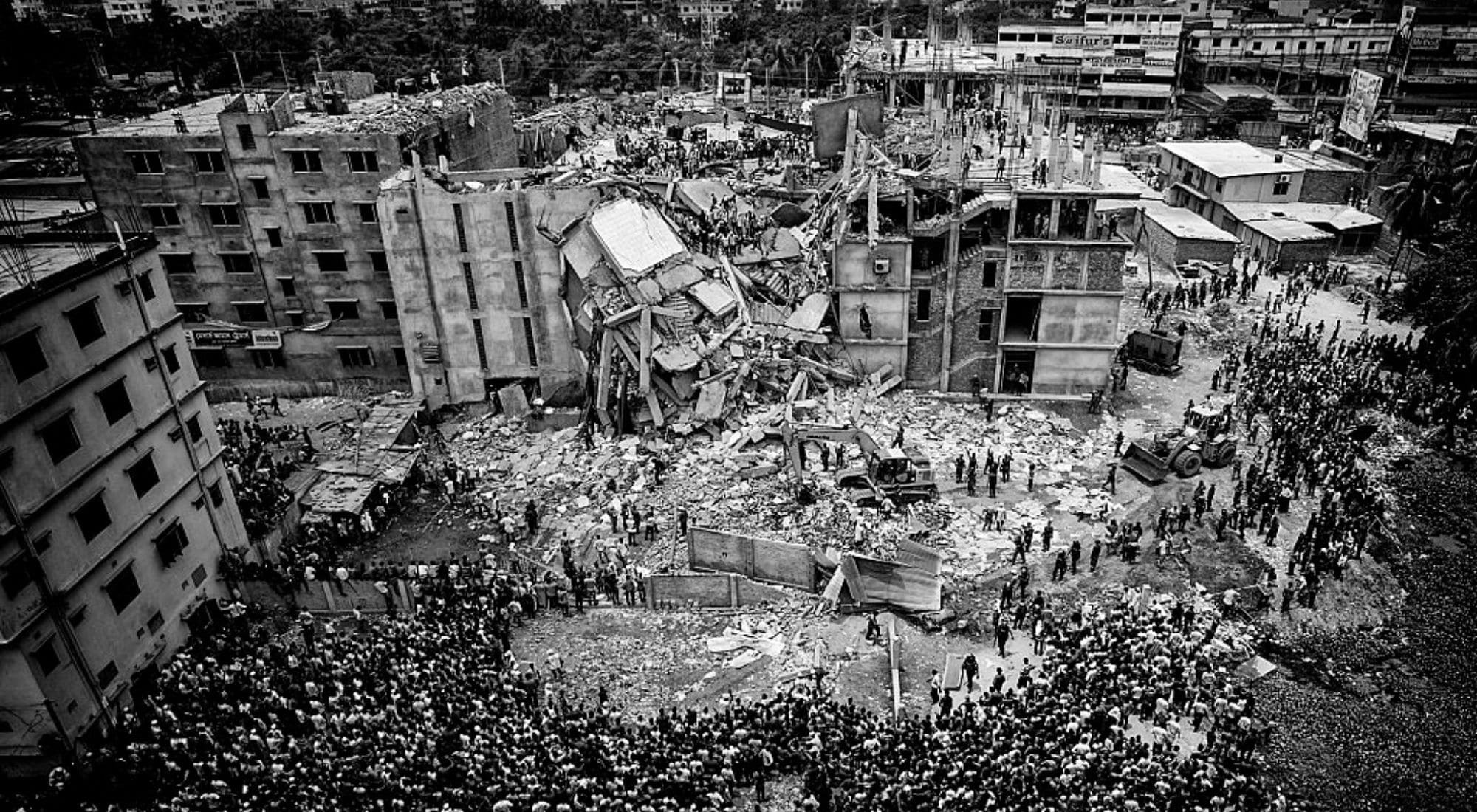
Workplace safety regulations exist for a reason: to protect lives. Yet history has shown us that when companies neglect safety protocols, the consequences can be devastating. Here are three real-world cases where ignoring workplace safety measures led to tragedy—and the lessons organizations can take to prevent history from repeating itself.
1. The Rana Plaza Collapse (Bangladesh, 2013)
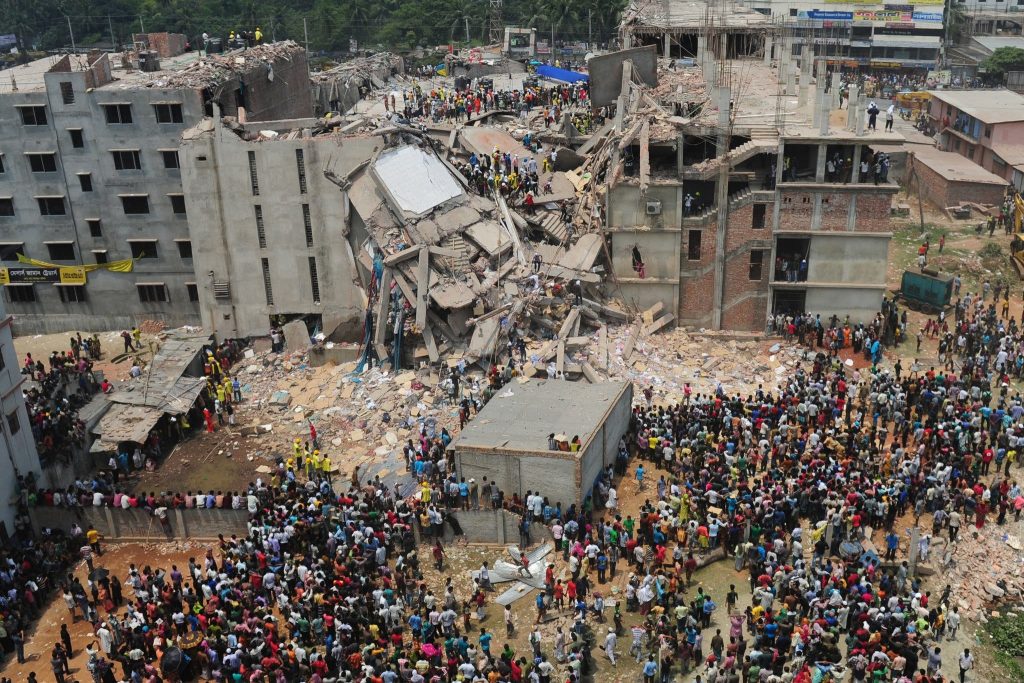
What Happened:
On April 24, 2013, the Rana Plaza garment factory collapsed, killing more than 1,100 workers and injuring over 2,500. Despite visible cracks in the building, workers were ordered to continue production.
Ignored Safety Measures:
- No evacuation despite structural warnings.
- Overloaded floors with heavy machinery and generators.
- Lack of enforcement of basic building codes.
Lesson Learned:
Ignoring visible hazards puts productivity over human life. Employers must empower workers to refuse unsafe work and ensure buildings meet safety and structural standards.
2. BP Texas City Refinery Explosion (USA, 2005)
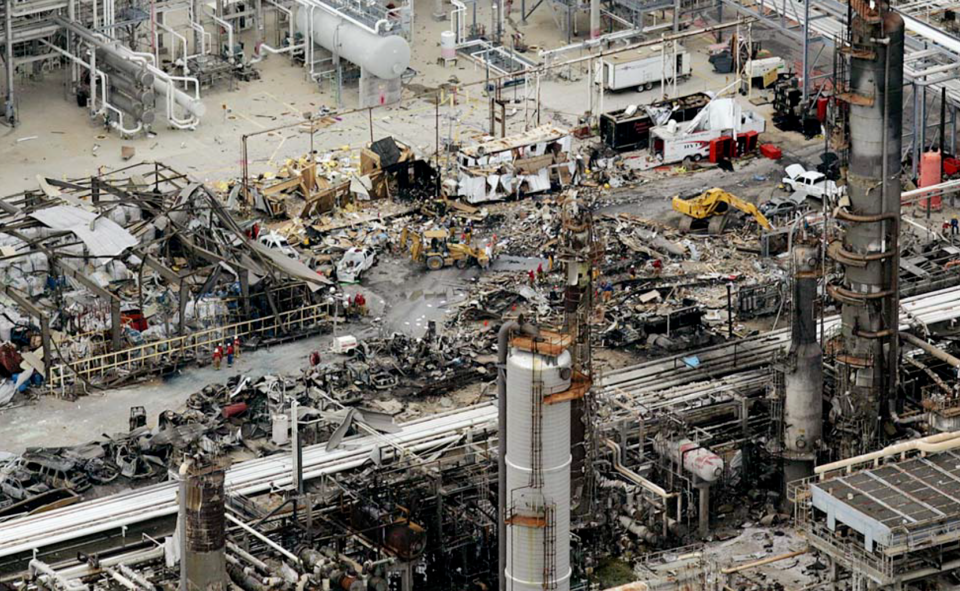
What Happened:
A massive explosion at BP’s Texas City refinery killed 15 workers and injured 180. The incident was one of the worst industrial accidents in U.S. history.
Ignored Safety Measures:
- Outdated equipment and poorly maintained safety systems.
- Inadequate training for workers handling hazardous materials.
- A culture that prioritized cost-cutting over safety investments.
Lesson Learned:
Shortcuts on equipment maintenance and training can be catastrophic. Companies must invest in modern safety systems and foster a culture where safety is valued as highly as profits.
3. Scaffold Collapse at a Construction Site (Toronto, Canada, 2009)
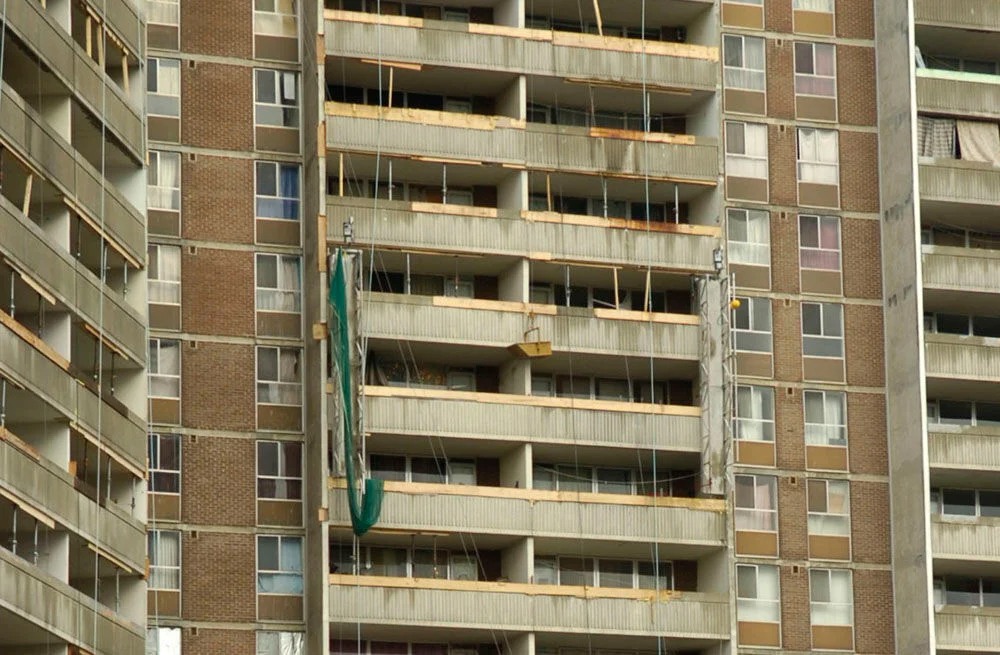
What Happened:
On Christmas Eve 2009, scaffolding collapsed at a Toronto construction site, killing four workers and seriously injuring another.
Ignored Safety Measures:
- Workers were not provided with adequate fall protection.
- Faulty scaffolding was used without proper inspection.
- Inadequate supervision and disregard for safety protocols.
Lesson Learned:
Fall protection is not optional it saves lives. Employers must provide proper fall arrest systems, conduct inspections, and enforce compliance with safety standards.
Final Thoughts
These tragedies highlight one truth: every accident is preventable when safety comes first. Whether it’s enforcing fall protection, maintaining equipment, or empowering workers to speak up, organizations have a moral and legal duty to protect their people.
👉 At Tritech Fall Protection, we believe no worker should ever have to risk their life to earn a living. That’s why we design and install engineered fall protection systems that go beyond compliance because safety isn’t just a regulation, it’s a responsibility.